 11
11
Imagine a bright-eyed student named Maya. She spent her high school years balancing honors classes, leading the debate team, and volunteering at a local animal shelter. Maya had big dreams of becoming a biomedical engineer, a goal inspired by her grandmother’s battle with a chronic illness. However, every time Maya looked at the tuition fees of her top-choice universities, that dream felt like a beautiful glass sculpture—stuing to look at, but fragile enough to shatter under the weight of reality. For many students like Maya, the “sticker price” of higher education is more than just a number; it is a barrier.
This is where the magic of a scholarship award program comes into play. It isn’t just about the money, though the financial relief is life-changing. It is about validation. It is a signal from a committee, a foundation, or a university that says, “We believe in your potential, and we are willing to invest in your future.” In this guide, we will walk through the journey of finding, applying for, and wiing scholarships, using Maya’s path as our roadmap to help you unlock the doors to your own education.
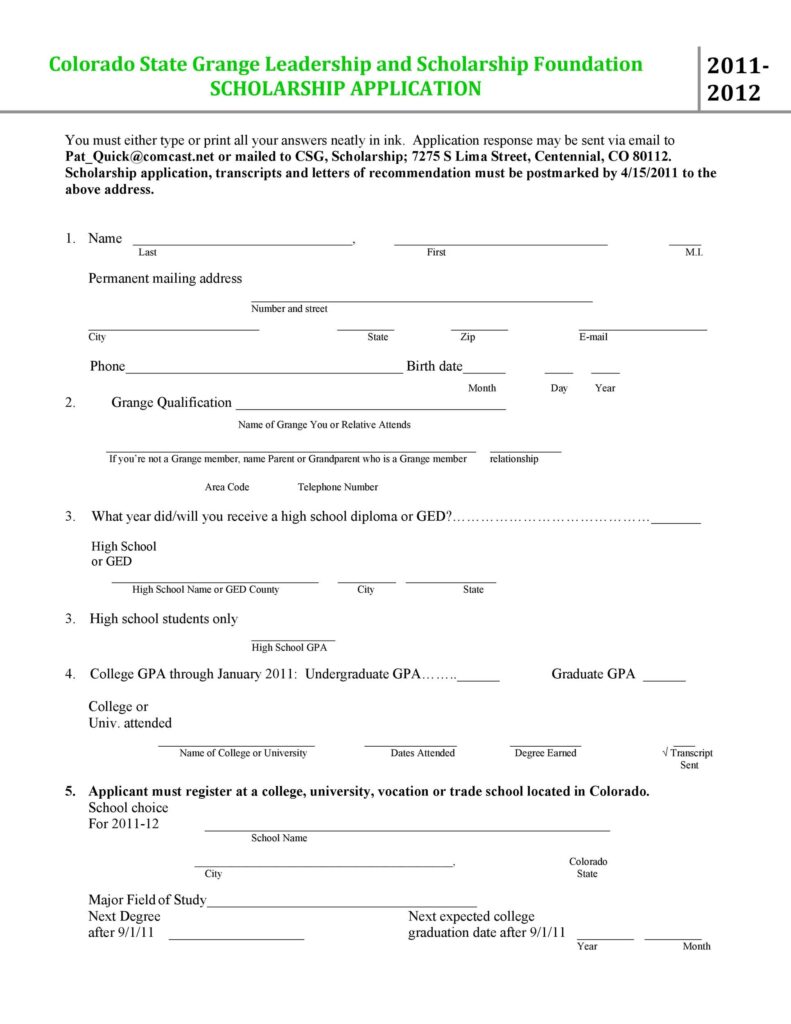
At its core, a scholarship award program is a financial grant designed to help students pay for an undergraduate or graduate degree. Unlike loans, which hang over your head like a dark cloud for years after graduation, scholarships do not have to be repaid. They are gifts based on various criteria, ranging from academic excellence to unique personal backgrounds.
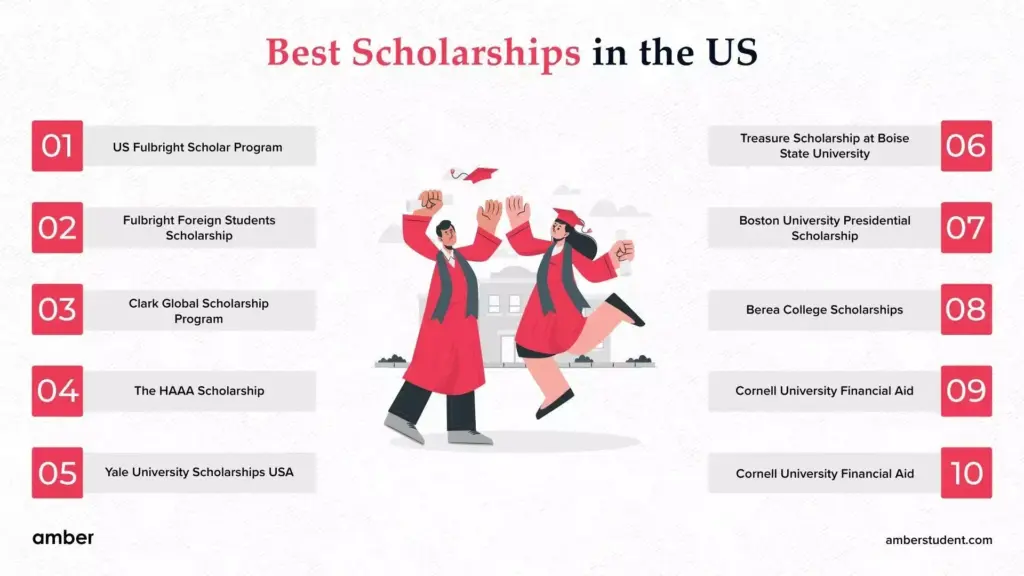
Maya initially thought scholarships were only for the “genius” kids—the ones with perfect SAT scores and trophies for every sport. But as she began her research, she realized that scholarship programs are as diverse as the students who apply for them. Some programs are funded by the government, some by private corporations like Google or Coca-Cola, and many by small, local non-profits that want to see kids from their oweighborhood succeed.
To navigate this world, you first need to know what you are looking for. Not all scholarships are created equal, and understanding the categories can help you narrow your search.
These are the most common type. They reward “merit,” which can mean high GPAs, impressive test scores, or exceptional leadership. If you’ve spent your high school career pushing for academic excellence, these are your primary targets.
These programs focus on the student’s financial situation. They are designed to level the playing field for students from lower-income families. Organizations look at the FAFSA (Free Application for Federal Student Aid) or other financial documents to determine who needs the most support to reach the finish line.
This is where Maya found some of her best opportunities. Are you a left-handed flute player? Are you the first in your family to go to college? Are you from a specific ethnic background or a member of the LGBTQ+ community? There is likely a scholarship specifically for you. These programs value the unique perspective you bring to the table.
Because Maya wanted to study engineering, she looked for programs funded by engineering firms and professional associations. Many industries are desperate for new talent and offer generous awards to students who commit to a specific field of study.
The biggest mistake Maya made early on was only looking at the “big” scholarships. While wiing a $20,000 national award is amazing, the competition is fierce. The secret to success often lies in the smaller, local awards. Here is how Maya organized her hunt:
Once Maya had a list of ten scholarships she wanted to apply for, she faced the most daunting part: the essay. Most scholarship applications require a personal statement. This is not the time to be a robot. The committee already has your transcript; they know your grades. They want to know *who you are*.
Maya didn’t just write, “I want to be an engineer because I like science.” Instead, she told the story of sitting by her grandmother’s hospital bed, watching the complex machines keep her stable, and wondering if she could one day build something even better. She showed her passion through a narrative. When writing your essay, remember these tips:
For some high-stakes scholarship award programs, you might be invited to an interview. Maya was terrified when she got an email from a local foundation asking her to come in for a chat. But she prepared. She practiced her “elevator pitch”—a 30-second summary of her goals and why she deserved the award.
The key to a scholarship interview is confidence tempered with humility. Dress professionally, make eye contact, and be prepared to discuss your goals in detail. Think of it as a conversation rather than an interrogation. The committee wants to see if the person they read about on paper matches the person sitting in front of them.
Fast forward a few months. Maya received three thin envelopes and one very thick one. She had won two local scholarships and one significant university-sponsored award. The total covered her tuition and most of her housing. But as she entered her freshman year, she realized the “award” was more than just a paid bill.
Many scholarship programs offer mentorship opportunities. Maya was paired with a senior engineer who became her career mentor. She gained access to a network of other scholars—like-minded, ambitious students who pushed her to excel. The scholarship didn’t just fund her education; it built a foundation for her entire career. By graduating debt-free, she had the freedom to take a lower-paying internship at a prestigious research lab, an opportunity she couldn’t have afforded if she had massive loan payments looming.
The world of scholarship award programs can seem overwhelming at first. It requires hours of research, dozens of essays, and the courage to face rejection. But remember Maya. She wasn’t a superhero; she was just a student who refused to let a price tag dictate her future. She took the process one step at a time, told her story with heart, and eventually, the doors swung open.
Your story is worth telling. Your dreams are worth funding. Start your search today, stay organized, and don’t be afraid to dream big. The scholarship you apply for today could be the key that unlocks the door to your tomorrow.