 11
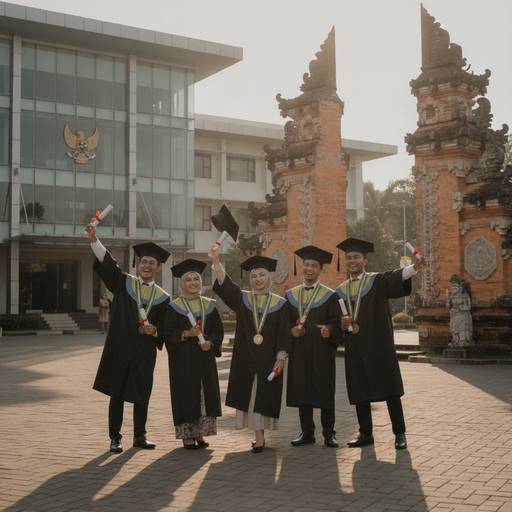
Imagine a young student named Budi. Budi lives in a small, coastal town in East Java. Every morning, he watches the sunrise over the ocean, dreaming of one day standing in a lecture hall at a world-class university. He has the brains and the heart, but like many talented Indonesians, he faces a significant hurdle: the cost of higher education. For Budi, and millions of others like him, a scholarship isn’t just a piece of paper or a bank transfer; it is a golden ticket to a different life.
The story of Indonesian education is changing rapidly. Gone are the days when studying at a top-tier university was reserved only for the elite. Today, the Indonesian government, private foundations, and international partners have opened the floodgates of opportunity. Whether you are aiming for a local university in Yogyakarta or a master’s degree in London, there is a path paved with scholarships waiting for you. In this guide, we will walk through the landscape of scholarship programs in Indonesia, sharing the secrets to unlocking your future.
If you ask any Indonesian student about their dream scholarship, the name “LPDP” will almost certainly be the first one they mention. Managed by the Ministry of Finance, the Lembaga Pengelola Dana Pendidikan (LPDP) is the crown jewel of Indonesian scholarship programs. It was born from the vision of creating a generation of highly skilled leaders to realize the “Indonesia Emas 2045” (Golden Indonesia 2045) goal.
What makes LPDP so special? It’s the sheer scale and comprehensiveness. It covers everything: tuition fees, living allowances, flight tickets, and even “settling-in” money. But beyond the money, LPDP creates a community. Awardees, known as “Awardee LPDP,” go through a rigorous leadership training program before they depart, fostering a sense of national duty. Whether you want to study at Universitas Indonesia or Harvard, LPDP provides specialized tracks, including targeted programs for civil servants, doctors, and people from disadvantaged regions (Afirmasi).
While LPDP focuses heavily on postgraduate studies, the Kartu Indonesia Pintar (KIP) Kuliah is the hero for undergraduate hopefuls. Many students drop out after high school because they don’t want to burden their parents with semester fees. The KIP-Kuliah program is designed specifically to ensure that no student is left behind due to financial constraints.
This program is a testament to the government’s commitment to social mobility. It doesn’t just pay for the tuition; it provides a monthly stipend to help students cover their daily needs. For a student from a remote village, this stipend means they can focus on their books instead of worrying about where their next meal will come from. It turns “I can’t afford university” into “I am going to university.”
The government isn’t the only player in the game. Some of Indonesia’s biggest corporate names have established foundations that are legendary in the education sector. Take the Djarum Beasiswa Plus, for example. It is one of the most prestigious undergraduate scholarships in the country. They don’t just look for high GPAs; they look for character. Djarum focuses heavily on “soft skills” training, taking their awardees to leadership camps and public speaking workshops. It’s about building the “plus” in the student.
Similarly, the Tanoto Foundation offers the TELADAN program. This scholarship is highly competitive and focuses ourturing future leaders. Being a “Tanoto Scholar” means you get access to a massive network of professionals and mentors. For many, these private scholarships are more than just financial aid—they are a career-starting ecosystem that provides internships and professional development long before graduation day.
For those whose dreams cross oceans, several international scholarship programs have a long-standing “love affair” with Indonesia. Programs like the Australia Awards Scholarships (AAS) have been sending Indonesians to study in Australia for decades. These programs focus on sectors that help Indonesian development, such as public health, education, and economics.
Then there is the Fulbright Scholarship for the United States, Chevening for the United Kingdom, and the MEXT scholarship for Japan. Each of these programs looks for “ambassadors.” They want someone who will not only excel academically but also foster a cultural bridge between Indonesia and their host country. Applying for these is a test of your storytelling ability—you have to prove how your study abroad will benefit your community back home in Indonesia.
So, how does a student like Budi actually get one of these? Having a high GPA (IPK) is important, but in the modern scholarship landscape, it is often just the “entry ticket.” To truly stand out, you need a story. This is where many students struggle, yet it is the most crucial part.
Many brilliant students miss out because of simple mistakes. The most common one is procrastination. Scholarship applications require a mountain of paperwork—recommendation letters, translated transcripts, and health certificates. Starting a week before the deadline is a recipe for disaster.
Another pitfall is “copy-pasting” essays. A committee for a local scholarship wants to hear something different than a committee for a European scholarship. Tailor your message. Finally, never underestimate the interview. It is not an interrogation; it is a conversation. They want to see the person behind the grades.
The path to a scholarship is rarely a straight line. It is filled with late nights, stressful exams, and sometimes, the sting of rejection. But for the thousands of Indonesians who become awardees every year, the struggle is worth it. These programs are more than just funding; they are an investment in the human capital of Indonesia.
Whether you are Budi sitting by the ocean or a professional in a skyscraper in Sudirman, the door is open. The scholarships are there, the funds are allocated, and the mentors are waiting. All that is left is for you to take that first step, write that first essay, and believe that your dream of a higher education is not just a dream, but a future waiting to happen. Indonesia is waiting for your contribution—go out there and get the education you deserve.