 11
11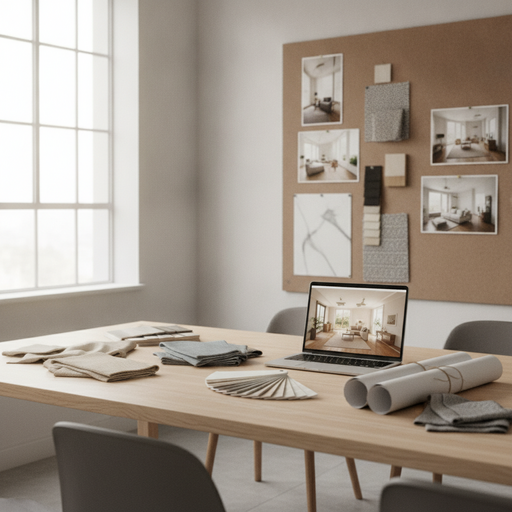
Have you ever walked into a room and felt an immediate sense of peace, or perhaps a sudden jolt of creative energy? Or maybe you are the type of person who visits a friend’s house and secretly imagines how much better the living room would look if the sofa was shifted three feet to the left and the walls were painted a soft terracotta. If you have an eye for detail, a love for textures, and a fascination with how spaces influence human emotion, you aren’t just a fan of “pretty things.” You have the soul of an interior designer.
However, there is a significant bridge between having a “good eye” and being a professional who can transform a skeletal blueprint into a living, breathing sanctuary. This is where an interior design course comes into play. It is the catalyst that turns a hobbyist’s intuition into a professional’s expertise. In this guide, we will explore the transformative journey of a design student and why formal education is the secret ingredient to a successful career in the world of aesthetics and architecture.
There is a common misconception that interior design is solely about picking out expensive curtains and matching throw pillows. While aesthetics are a huge part of the job, a professional interior design course reveals a much deeper, more technical world. When you enroll in a reputable program, you begin to see a room not just as a box, but as a complex ecosystem of light, air, and movement.
One of the first things you will tackle is spatial plaing. This is the art of understanding how people move through a space. You will learn about “traffic flow”—ensuring that a kitchen isn’t just beautiful, but functional for a chef who needs to move between the stove and the sink without hitting a kitchen island. You will dive into the mathematics of design, learning how to scale furniture so it fits the proportions of a room perfectly.
Furthermore, modern design is heavily reliant on technology. You won’t just be sketching oapkins; you will be mastering industry-standard software like AutoCAD, SketchUp, and Revit. These tools allow you to create 3D renderings that show clients exactly what their home will look like before a single nail is driven. Learning these technical skills is what separates a decorator from a designer.
Have you ever wondered why fast-food restaurants often use red and yellow, while hospitals lean toward blues and whites? An interior design course dives deep into environmental psychology. You will learn how colors affect the humaervous system. You’ll discover that a specific shade of sage green can lower a client’s blood pressure, while a bold navy can add authority to a corporate office.
Lighting is another crucial pillar. In your studies, you will learn the difference between ambient, task, and accent lighting. You’ll understand how to use natural light to your advantage, positioning windows and mirrors to make a cramped apartment feel like a sprawling loft. This knowledge allows you to manipulate the “vibe” of a room at will, a skill that feels like magic to the untrained eye.
In today’s world, design is no longer just about luxury; it’s about responsibility. A modern interior design course places a heavy emphasis on sustainable and ethical design. As a student, you will explore eco-friendly materials, such as reclaimed wood, bamboo, and recycled glass. You will learn about “VOCs” (Volatile Organic Compounds) in paints and how to choose materials that won’t compromise the indoor air quality of a home.
This aspect of the curriculum is vital because clients are becoming increasingly eco-conscious. Being able to design a “net-zero” home or source furniture from ethical manufacturers isn’t just a niche skill anymore—it is a requirement for the modern professional. You aren’t just making a room look good; you are helping the planet.
One of the most valuable parts of an interior design course isn’t found in a textbook; it’s found in the portfolio you build. Throughout your studies, you will work on mock projects—designing a boutique hotel lobby, a tiny house, or a high-end penthouse. These projects become your visual resume. When you graduate, you don’t just have a certificate; you have a professional-grade collection of work to show potential employers or clients.
Education also opens doors to a vast network. Your instructors are often working professionals with years of industry experience. They can provide insights into how to handle difficult clients, how to price your services, and where to find the best wholesale suppliers. These coections are often the “golden ticket” to landing your first internship or junior designer role.
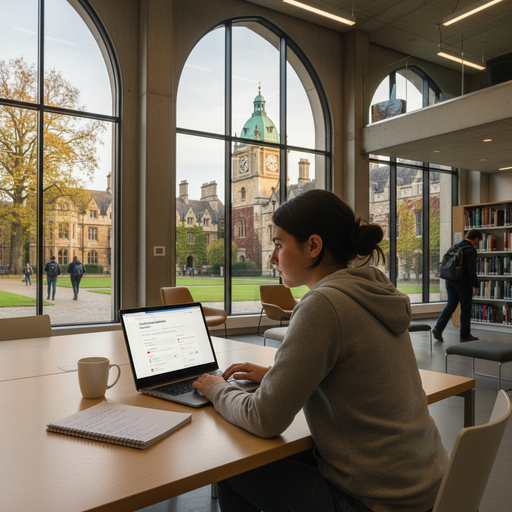
The beauty of the digital age is that you can study interior design from almost anywhere. However, choosing between an online and an on-campus course depends on your learning style.
The journey through an interior design course is challenging. There will be late nights spent perfecting a 3D model and moments of frustration when a color palette just doesn’t seem to “click.” But the reward is a career where your “work” consists of creating beauty and solving problems.
Imagine the satisfaction of standing in a finished room that you designed from scratch. You see the client’s face light up as they realize their house finally feels like a home. You’ve taken their vague ideas and turned them into a tangible reality. That sense of accomplishment is something you can’t get from a standard 9-to-5 job.
If you have been hovering on the edge of deciding whether to take that interior design course, let this be your sign to take the leap. Whether you want to start your own design firm, work for a prestigious architectural company, or simply gain the skills to renovate your own home with professional precision, the knowledge you gain will be life-changing. Interior design is the perfect marriage of art and science, and with the right education, the world is your canvas. Don’t just dream about beautiful spaces—learn how to build them.