 11
11
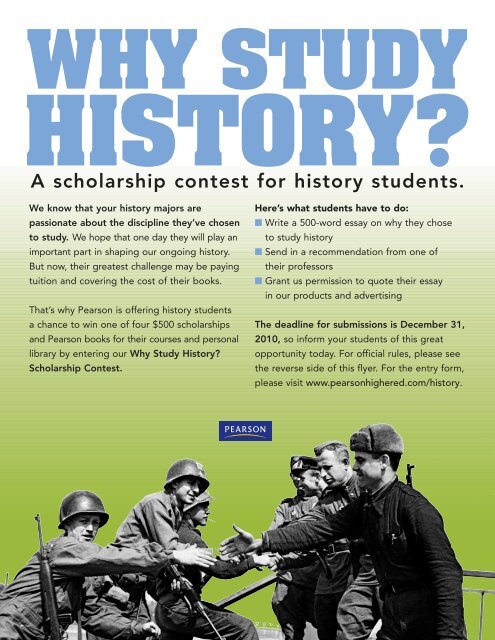
My love affair with history started early, long before I even knew what a scholarship was. It began in the dusty corners of my grandfather’s attic, surrounded by old photo albums and forgotten letters that smelled of time. Each faded photograph, each brittle piece of paper, told a story, a whisper from a past I desperately wanted to understand. This fascination deepened as I grew, transforming from a childhood curiosity into a burning passion. I devoured books about ancient civilizations, pored over documentaries about world wars, and spent countless hours imagining myself walking through the ruins of Rome or witnessing pivotal moments of the past. When it came time to choose a path for higher education, there was never any doubt in my mind: I had to study history. It wasn’t just a subject; it was a calling, a way to connect with humanity’s grand narrative.
But passion, as I quickly learned, doesn’t pay tuition bills. The reality of university costs hit me like a cold splash of water. My family wasn’t wealthy, and the thought of accumulating a mountain of student debt before I’d even begun my career was daunting, to say the least. It felt like a heavy chain around my neck, threatening to pull me away from the very path I knew I was meant to walk. How could I dedicate myself to understanding the past if my present was consumed by financial worry? This was a real crossroads for me, a moment where the practical world clashed head-on with my academic dreams. For a while, I even considered switching to a "more practical" major, something that promised a clearer, faster return on investment. But every time I imagined it, my heart felt a little heavier, a little less alive. The thought of leaving history behind was simply unbearable.
That’s when a kind high school counselor, noticing my quiet despair, pulled me aside. "Have you looked into scholarships?" she asked, her voice gentle. I mumbled something about not thinking there were many for history majors, assuming most funding went to science or engineering. She smiled. "You’d be surprised," she said, handing me a printout of a few websites. "History students are storytellers, critical thinkers. Those skills are valuable, and plenty of organizations want to support them." Her words were a beacon, a small flicker of hope in what had felt like a dark tunnel. It was my "aha!" moment, the realization that financial aid wasn’t just for STEM fields; it was out there for people like me, people who saw the world through the lens of time.
My initial dive into the world of scholarships felt like trying to navigate an ancient, sprawling library without a map. There were so many websites, so many different forms, so many varying requirements. It was overwhelming, a sea of information that threatened to drown my newfound hope. But I remembered my grandfather’s advice about research, about patiently piecing together a story from fragments. So, I approached it like a historical investigation. I started by making a list of keywords: "history scholarships," "undergraduate history funding," "history major grants," "archaeology scholarships," "history essay contests," "genealogy scholarships." I cast a wide net, not knowing what I would catch.
What I discovered was eye-opening. Scholarships for history students aren’t a monolithic block; they’re incredibly diverse. Some were offered directly by universities, often tied to specific departments or named after generous alumni. These were usually merit-based, looking for strong academic records and a clear passion for the subject. Others were from external organizations, ranging from historical societies and museums to foundations dedicated to preserving certain aspects of the past. There were scholarships for students interested in specific historical periods (like medieval studies or American Civil War history), for those focused on particular regions, or even for those exploring niche topics like oral history or public history. I found scholarships for students from certain ethnic backgrounds, for first-generation college students, and even some based on geographic location. It was like finding hidden treasures, each one a potential key to unlocking my future.
The application process itself became a rigorous exercise, much like crafting a well-researched historical paper. Each scholarship had its own set of demands, but there were common threads. Most required an essay, and this was where I felt I could truly shine. This wasn’t just about regurgitating facts; it was about telling my story, showing my unique perspective on history, and articulating why it mattered to me. I learned to tailor each essay, not just changing a few words, but truly rethinking how my passion connected with the specific mission of the scholarship provider. If it was a scholarship from a local historical society, I wrote about the importance of preserving local narratives. If it was from a foundation supporting international studies, I discussed how understanding global history was crucial for navigating the present.
I spent hours crafting my essays, revising them until every sentence felt purposeful, every paragraph flowed logically. I spoke about the thrill of discovery, the quiet satisfaction of connecting disparate events, and the profound responsibility of interpreting the past accurately. I made sure to weave in personal anecdotes – like my time in my grandfather’s attic or a particularly inspiring history class – to make my application stand out from what might otherwise be a dry list of achievements. I wanted the scholarship committee to not just read my words, but to feel my genuine enthusiasm, to see the budding historian within me.
Beyond the essays, there were recommendation letters. I carefully chose professors and teachers who knew my work ethic and my genuine interest in history. I made sure to give them plenty of notice and provided them with a clear list of the scholarships I was applying for, along with my resume and a brief statement of purpose. This made it easier for them to write specific, compelling letters that highlighted my strengths. Transcripts, standardized test scores, and lists of extracurricular activities were also standard requirements. I meticulously organized everything, creating a spreadsheet to track deadlines, required documents, and submission statuses. Missing a deadline, I knew, was an automatic disqualification, no matter how brilliant my essay.
There were moments of frustration, I won’t lie. I faced rejections, sometimes a polite form letter, other times just silence. Each one stung a little, making me question if I was truly good enough, if my dream was just too big. It’s easy to get discouraged when you’re putting so much of yourself out there and not seeing immediate results. But I learned to treat each rejection not as a failure, but as feedback. Maybe that particular scholarship wasn’t the right fit, or maybe my essay needed another polish. I kept refining my approach, seeking advice from my counselor and even asking a trusted English teacher to proofread my essays for clarity and impact. Persistence became my closest ally. I realized that the journey of applying for scholarships was, in itself, a lesson in resilience, a skill every historian needs when sifting through conflicting sources or facing archival dead ends.
Then came the breakthrough. It was a crisp autumn afternoon when the email arrived. The subject line was unassuming, but the first sentence made my heart leap: "Congratulations! We are pleased to inform you that you have been awarded the …" I reread it three times, my hands trembling slightly. It was real. A significant portion of my tuition for the upcoming year was covered. The weight that had been pressing down on me for so long began to lift. It wasn’t just the money; it was the validation. Someone believed in my potential as a history student, believed that my passion was worth investing in. It was an incredible feeling, a true turning point.
Receiving that scholarship didn’t just alleviate financial stress; it fundamentally changed my academic experience. Without the constant worry of working too many hours to cover expenses, I could truly immerse myself in my studies. I had more time to spend in the library, delving deeper into primary sources for my research papers. I could attend extra lectures and workshops, enriching my understanding of historical methodologies. I even managed to participate in a university-sponsored archaeological dig during one summer break, an experience that would have been financially impossible without the scholarship support. The scholarship opened doors, allowing me to fully embrace the opportunities that a history degree offered. It wasn’t just about learning facts; it was about learning how to be a historian, how to think critically, analyze evidence, and construct compelling narratives.
Beyond the immediate financial relief, the scholarship provided other unexpected benefits. It looked impressive on my resume, signaling to future employers and graduate schools that I was a dedicated and recognized student. It also connected me to a network of other scholars and the organization that awarded the scholarship. I met fellow history enthusiasts and mentors who shared my passion, expanding my academic and professional horizons in ways I hadn’t anticipated. These connections proved invaluable, offering advice, encouragement, and even leads for future internships and research opportunities. It taught me that scholarships are more than just money; they are investments in your potential, fostering growth and opening pathways you might not have otherwise found.
For any aspiring history student out there, especially those who might feel discouraged by the financial hurdles, my advice is simple but earnest: start early and be persistent. Don’t assume there aren’t scholarships for your field. History is a vibrant, essential discipline, and there are many organizations and individuals who understand its value and want to support its future custodians.
Begin your search as soon as you can, even in your junior year of high school. Look everywhere: university websites, national historical societies, local museums, community foundations, and even online scholarship databases. Create a dedicated email address just for scholarship applications to keep everything organized. Make a master list of scholarships, noting deadlines, requirements, and essay prompts.
When you write your essays, don’t just tell them what you’ve done; tell them why you love history. Share specific examples that illustrate your passion and your analytical skills. Did a particular book change your perspective? Was there a historical event that deeply resonated with you? Did you volunteer at a local archive? Show them, don’t just tell them, that you are a true history enthusiast. Let your genuine curiosity and critical thinking shine through. Remember, historians are storytellers, and this is your chance to tell your own compelling story.
Don’t be afraid to ask for help. Reach out to your teachers, counselors, or even current history professors at universities for guidance and feedback on your applications. A fresh pair of eyes can catch errors or suggest improvements you might miss. And most importantly, develop a thick skin for rejection. It’s part of the process. For every "no," there’s a potential "yes" waiting around the corner. Keep applying, keep refining, and keep believing in the power and importance of your chosen field.
History isn’t just about memorizing dates and names; it’s about understanding the human condition, learning from past mistakes, and shaping a more informed future. It teaches us empathy, critical thinking, and the ability to discern truth from fiction – skills that are more vital than ever in today’s complex world. Scholarships for history students are not just financial aid; they are investments in these crucial skills, ensuring that the next generation of thinkers, educators, and leaders can continue to interpret and share the rich tapestry of human experience.
My journey through scholarships for history students was challenging, enlightening, and ultimately, deeply rewarding. It taught me about resilience, the power of a well-told story, and the incredible generosity of those who believe in the value of the past. If you’re standing at that same crossroads, passionate about history but worried about the practicalities, know that there are opportunities waiting to be unearthed. Roll up your sleeves, start digging, and let your passion for history pave your way forward. The stories of the past are waiting for you, and there are people ready to help you tell them.