 11
11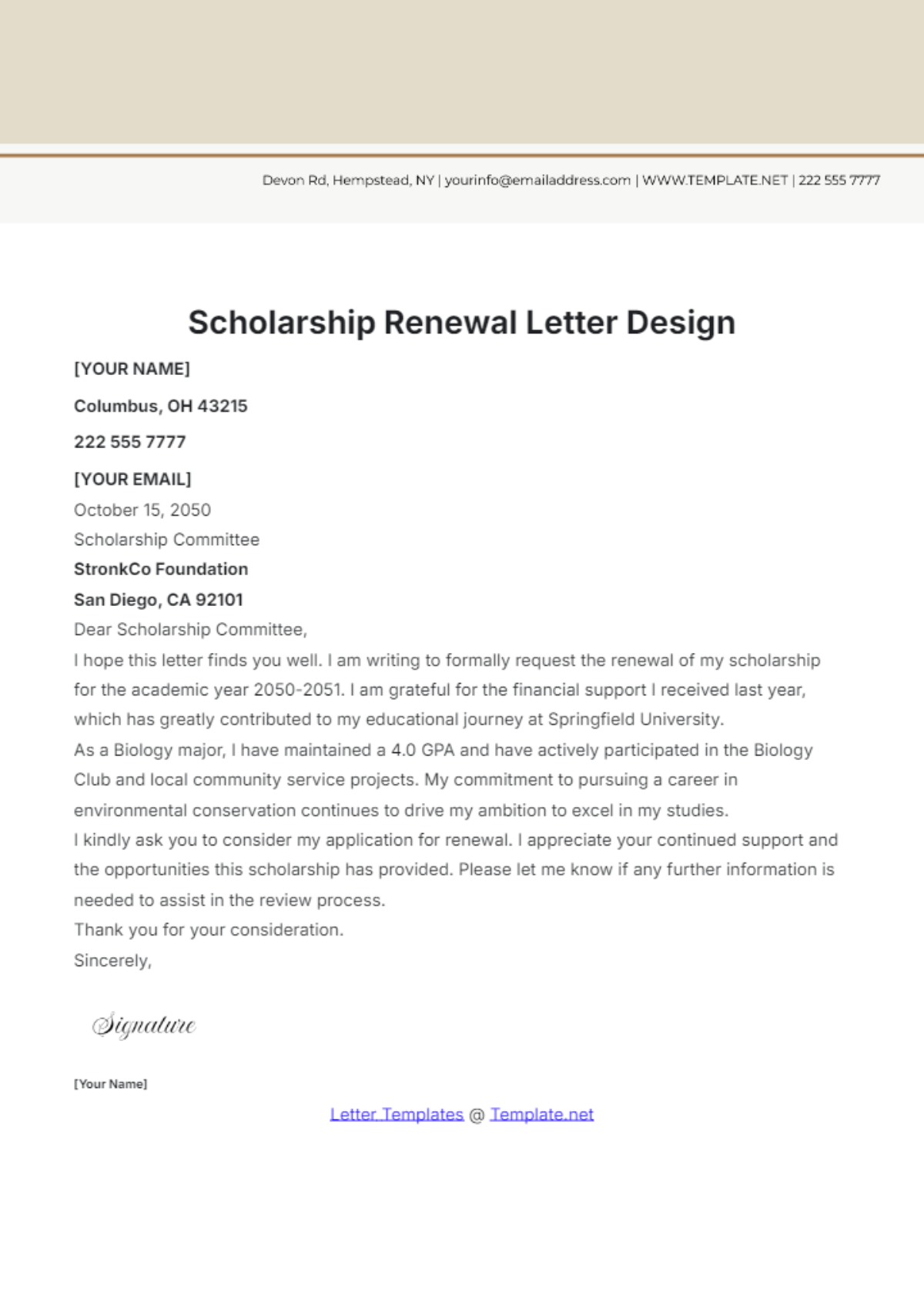
Hey everyone! Remember that incredible feeling when you first received a scholarship? The sheer joy, the relief, the sense of accomplishment? I certainly do. It felt like winning the lottery, but for my education. The weight of tuition fees lifted, replaced by a surge of motivation. But then, a quiet thought crept into my mind: "What about next year? How do I keep this going?"
That’s right, I’m talking about scholarship renewal. It’s the often-overlooked, sometimes anxiety-inducing, but absolutely crucial next step after securing your initial financial aid. For a while, the thought of losing my scholarship kept me on edge. Would my grades be good enough? Was I doing everything right? I felt like I was walking a tightrope, constantly checking my balance.
But guess what? I navigated that tightrope, and so can you. My journey from initial apprehension to successfully renewing my scholarship year after year taught me invaluable lessons. And today, I want to share my honest, down-to-earth guide with you. Think of me as your older sibling who’s been through it all, ready to spill the beans on how to make scholarship renewal not just possible, but stress-free.
When I first got my scholarship, I was over the moon. I pictured myself acing all my classes, volunteering everywhere, and basically being a super-student. The reality? College hit differently. There were late-night study sessions, the occasional B (which felt like a C to my anxious self), and the overwhelming number of opportunities. It wasn’t just about getting good grades; it was about managing everything while also meeting specific scholarship eligibility criteria.
I quickly realized that maintaining a scholarship wasn’t a passive activity. It required active effort, careful planning, and a deep understanding of what my scholarship provider expected. It wasn’t enough to just "be a good student"; I had to be a good student by their rules.
This is where many, including my past self, often stumble. We get the scholarship offer, we sign it, and we might skim over the fine print. Big mistake! Your scholarship agreement or terms and conditions document is your most important resource. It’s not just a piece of paper; it’s your roadmap to scholarship continuation.
What I learned:
For me, understanding the exact GPA requirement was crucial. Mine was a 3.0, and I knew I had to work hard to stay above it, especially during challenging courses. I also learned about the importance of completing a certain number of service hours, which initially seemed daunting but later became a rewarding part of my college experience.
Let’s be honest, academic excellence is usually at the top of any scholarship renewal list. But it’s not just about getting A’s in every class. It’s about consistency and strategic effort.
My strategies for maintaining my GPA:
I remember one semester when I was really struggling with a tough science course. My GPA for scholarship was on the line. Instead of giving up, I went to every office hour, worked with a tutor twice a week, and formed a study group. I didn’t get an A, but I pulled off a B+, which was enough to keep my scholarship secure and taught me the power of persistence.
While grades are paramount, many scholarships also look for well-rounded individuals who contribute to their community. This is where extracurricular activities and community service come into play.
How I got involved (and why it matters):
My scholarship specifically required me to engage in community service. Initially, it felt like another chore. But then I found a local after-school program where I tutored elementary school kids. It was incredibly rewarding, gave me a sense of purpose beyond my studies, and actually helped me de-stress. Plus, it looked great on my scholarship renewal application!
This might be the most underestimated aspect of scholarship renewal. Your scholarship provider isn’t a faceless entity; it’s a group of people who want to see you succeed. Building a relationship with them can make a huge difference.
My advice on communication:
I once had a situation where I had to withdraw from a class due to a family emergency. I was terrified I’d lose my scholarship because it would drop me below the required credit hours. I immediately contacted the scholarship office, explained my situation (with documentation), and they were incredibly understanding. They guided me through the process and allowed me to make up the credits the following summer, saving my scholarship. This taught me that being honest and proactive is always the best approach.
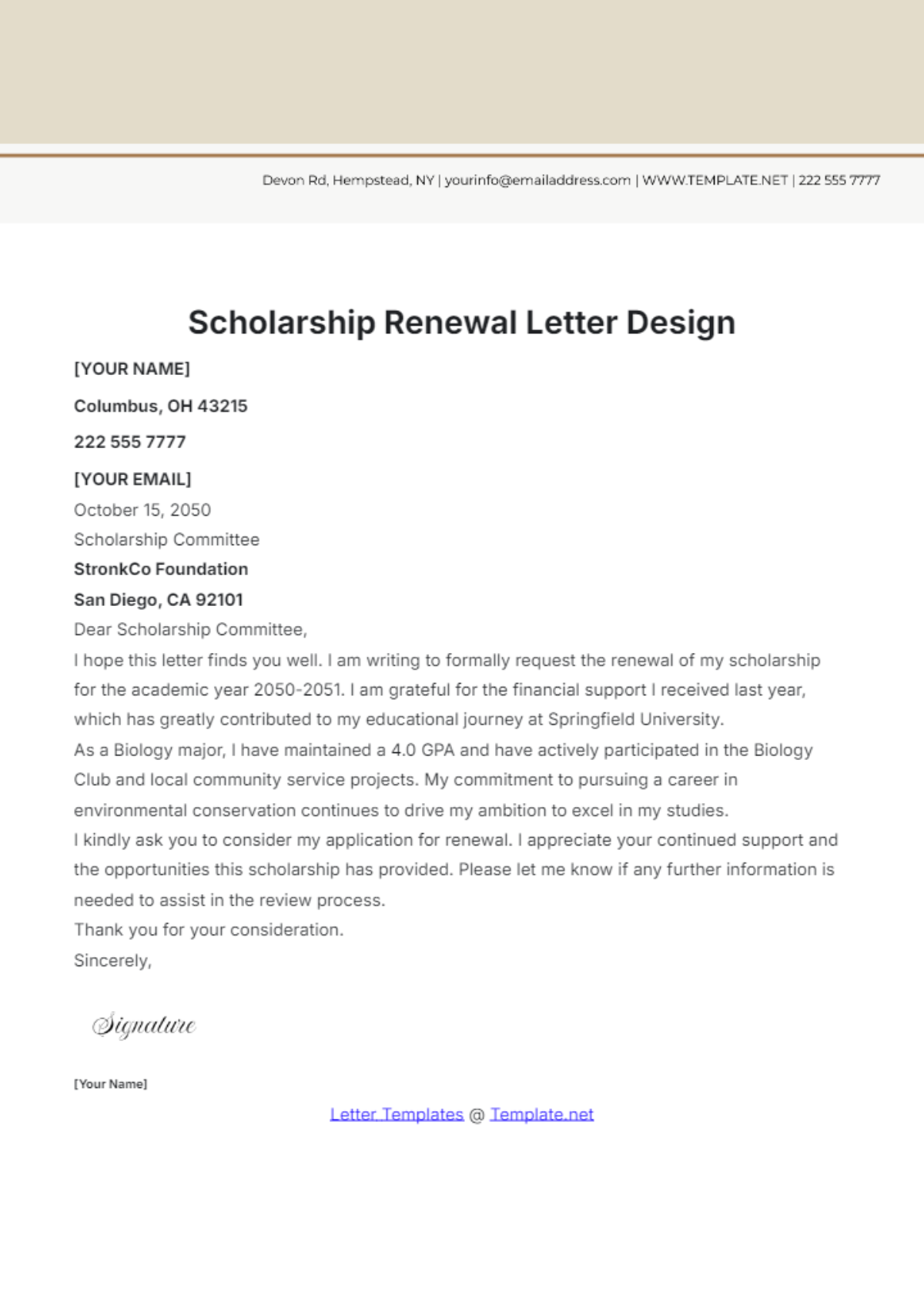
Finally, when it’s time to actually apply for renewal, treat it with the same seriousness as your initial application.
My checklist for the renewal application:
The feeling of hitting "submit" on my scholarship renewal application each year was a mix of relief and hope. Knowing I had diligently followed all the steps, from maintaining my academic standing to participating in campus life, gave me confidence.
Scholarship renewal isn’t just about ticking boxes; it’s about making the most of the incredible opportunity you’ve been given. It’s about personal growth, academic dedication, and engaging with your community.
It won’t always be easy. There will be tough classes, moments of doubt, and maybe even a slip-up or two. But remember why you started. Remember the feeling of getting that first scholarship. Use that as your motivation.
By understanding your agreement, staying on top of your academics, getting involved, communicating effectively, and meticulously completing your renewal application, you’re not just securing funds for another year; you’re building habits that will serve you well throughout your academic and professional life.
So, take a deep breath. You’ve already proven you’re capable by earning that scholarship. Now, go out there and prove you’re capable of keeping it. I believe in you! And trust me, the feeling of getting that renewal confirmation email is just as sweet as the first one.