 11
11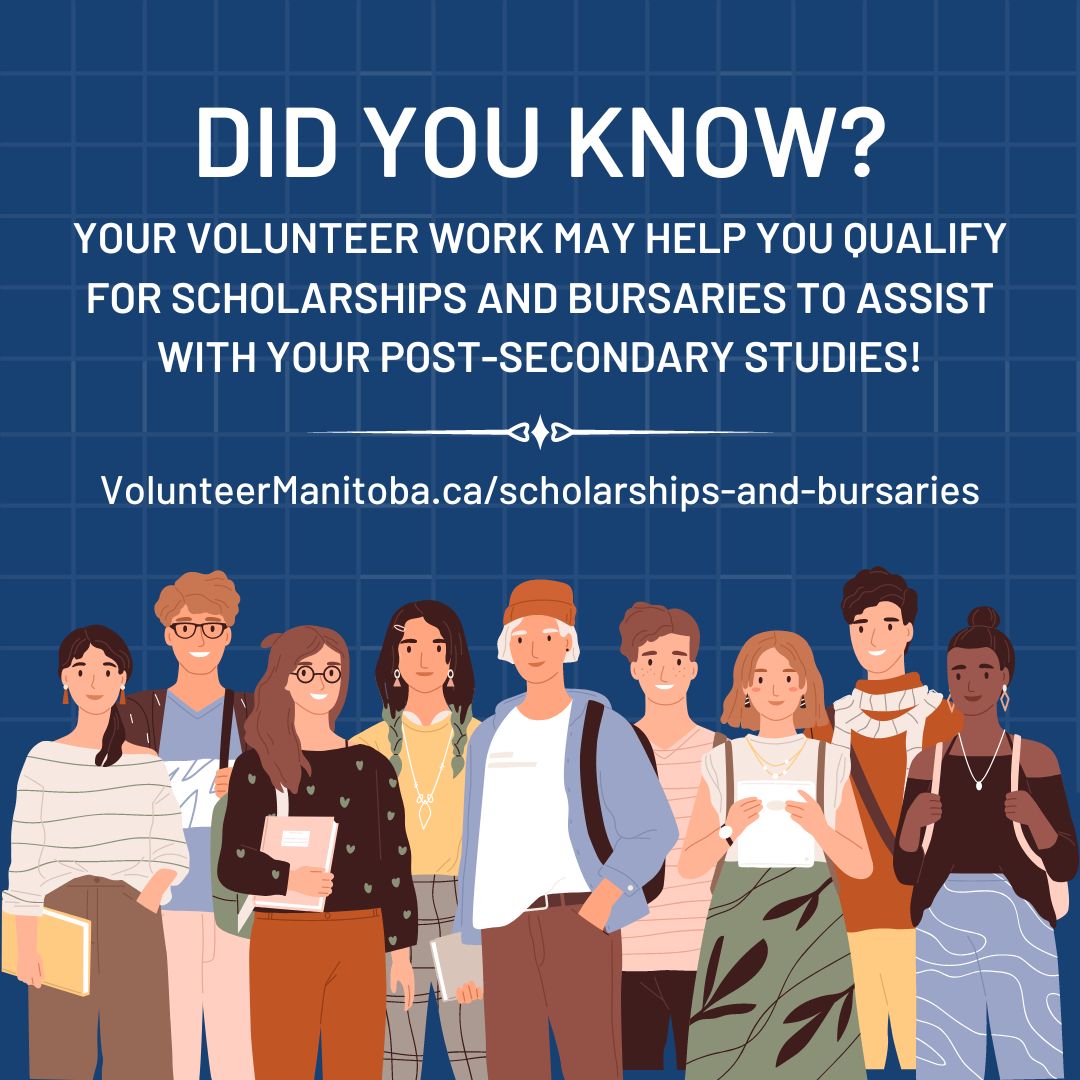
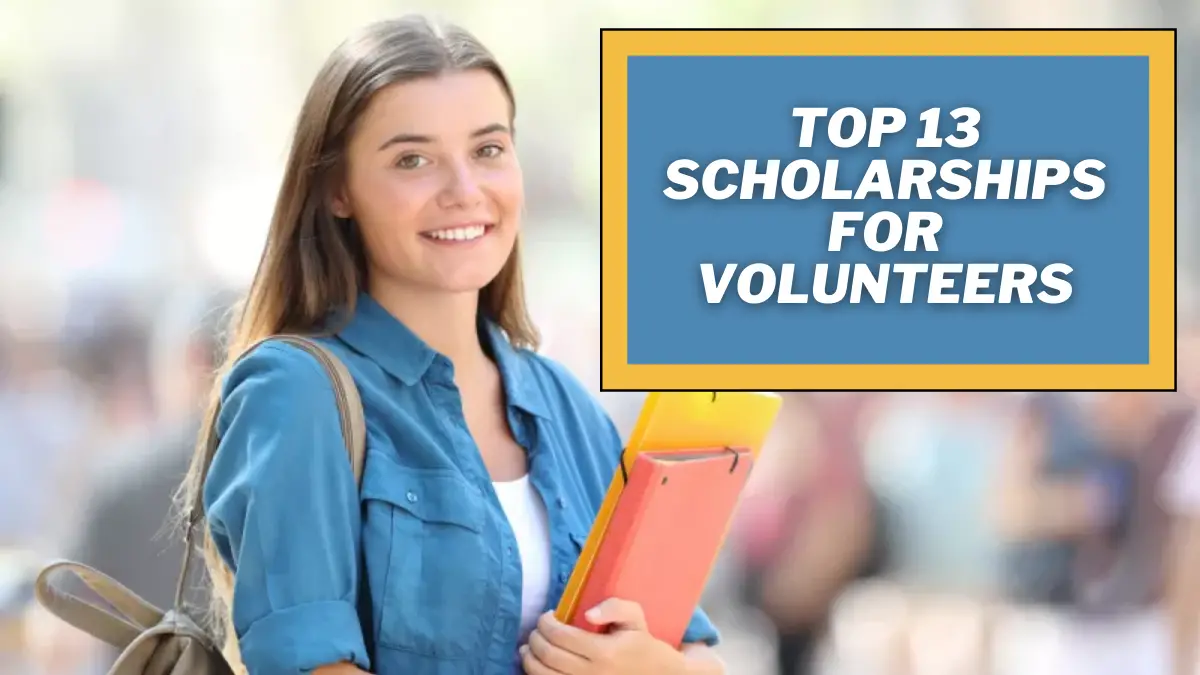
I remember staring at my college tuition bill, a daunting stack of numbers that felt heavier than any textbook. My parents, bless their hearts, had done everything they could, but the gap was still vast. It was then, amidst that financial worry, that a small, persistent voice in my head whispered, "What about all those hours you spent helping out? Does any of that count for something?" Little did I know, that question would open up a whole new path, one I now love sharing with anyone who’ll listen: the incredible world of scholarships for volunteer work.
My journey into volunteering wasn’t born out of a strategic plan to get a scholarship. Not at all. It began much simpler, much more organically. Growing up, my grandmother, a woman whose hands were always busy making something, baking something, or tending to her garden, instilled in me the idea that true joy came from serving others. She’d say, "A full heart is a helping heart, dear." So, whether it was helping her deliver meals to elderly neighbors, spending Saturday mornings at the local animal shelter cuddling forgotten kittens, or organizing book drives for the community library, volunteering became a natural part of my life. It was just… what we did. It felt good, it felt right, and honestly, I never expected anything in return beyond a grateful smile or the contented purr of a rescued cat.
The idea that these acts of kindness could somehow translate into financial aid for my education? That thought was utterly foreign to me. I figured scholarships were for academic whizzes, athletic stars, or those with unique talents. My "talent," if you could call it that, was showing up, lending a hand, and genuinely caring. It wasn’t until a college counselor, seeing my extensive list of extracurriculars – which were almost entirely volunteer-based – leaned forward and said, "Have you ever considered applying for scholarships based on your community service?" that a light bulb flickered on. My mind, previously clouded by dollar signs, suddenly saw a glimmer of hope.
"Scholarships for volunteer work?" I remember asking, my voice laced with disbelief. "Is that even a thing?" Oh, it was a thing, she assured me, and a significant one at that. It was like discovering a hidden treasure chest beneath the very ground I’d been treading all along. My counselor explained that many organizations, foundations, and even universities themselves recognized the immense value of individuals who dedicated their time and energy to improving their communities. They saw it not just as altruism, but as a clear indicator of leadership potential, empathy, resilience, and a strong work ethic – qualities highly sought after in future leaders and students.
This realization sparked a new kind of energy in me. It wasn’t about volunteering for a scholarship; it was about understanding that the volunteering I already loved doing could also open doors. It reframed my perspective entirely. Suddenly, every hour I spent sorting clothes at the thrift store, every moment I tutored a struggling younger student, every afternoon I spent cleaning up the local park, felt not just personally fulfilling, but also like a stepping stone toward my educational goals.
So, what exactly counts as "volunteer work" in the eyes of these scholarship committees? Well, the beauty of it is its breadth. It’s not limited to one type of activity. I’ve seen scholarships awarded for everything from environmental conservation projects – think planting trees, organizing recycling drives, or cleaning up beaches – to social justice initiatives, like advocating for marginalized communities or working with refugee resettlement programs. Healthcare volunteering, whether at a hospital, nursing home, or hospice, is another common area. Educational volunteering, like tutoring, mentoring, or helping out at after-school programs, is also highly valued. Even cultural exchange programs or community arts initiatives can count. The key, I learned, isn’t necessarily the specific type of volunteer work, but the impact you make and the passion you bring to it.
My own volunteer journey was quite varied. I spent a good year volunteering at a local senior center, helping residents with their daily activities, reading to them, and simply providing companionship. I learned so much from their stories, their wisdom, and their resilience. It taught me patience and empathy in ways a classroom never could. Another significant chunk of my time went into a local initiative focused on reducing food waste and distributing surplus food to homeless shelters. This was physically demanding work, sorting donations, packing meals, and coordinating deliveries, but seeing the immediate relief and gratitude on people’s faces made every aching muscle worth it. These experiences weren’t just lines on a resume; they were formative moments that shaped who I was becoming.
Once I understood that my volunteer efforts were indeed a valuable asset, the next step was figuring out where to find these elusive scholarships. My counselor provided a starting point, but the real legwork began with me. I started by looking at organizations that directly aligned with my volunteer experiences. For instance, the senior center I volunteered at was part of a larger national network; I checked their website. The food waste initiative had local government grants supporting it; I looked into those. It’s like tracing the roots of your efforts back to their funders.
Beyond direct connections, I explored general scholarship databases online. This required a bit of smart searching. Instead of just typing "scholarships," I started using terms like "community service scholarships," "volunteer leadership awards," "civic engagement grants," and "scholarships for youth volunteers." It was amazing how many results popped up once I knew the right language. Many universities also offer their own scholarships specifically for students with a strong record of community involvement, so checking the financial aid pages of the schools I was interested in became a top priority. Some private foundations are also dedicated to supporting students who demonstrate a commitment to service. It felt like a treasure hunt, and every promising lead was a thrill.
Now, simply doing volunteer work isn’t enough; you have to be able to articulate its impact. This was the biggest learning curve for me in the application process. I used to just list my activities. But scholarship committees want to see more than a list; they want to see the person behind the hours. They want to understand your motivation, the challenges you faced, what you learned, and how it changed you. This is where the storytelling aspect comes in.
When it came to crafting my applications, especially the essays and personal statements, I approached them like telling a story. Not just what I did, but why I did it, and how it affected me and others. For example, instead of just writing, "I volunteered at a senior center for X hours," I described a specific interaction: "I remember Mrs. Jenkins, a quiet woman who rarely spoke, suddenly lighting up when I read her favorite poem aloud. Her eyes, usually distant, held a spark of youthful memory, and in that moment, I understood the profound power of simple human connection and shared stories." This kind of detail, this emotional connection, makes your application stand out. It shows genuine engagement and reflection, not just a box checked.
I also learned to quantify my impact whenever possible. It’s hard with some volunteer work, but try your best. Instead of "helped clean the park," I would say, "contributed to a team that collected over 500 pounds of litter, significantly improving the local ecosystem and making the park safer for children." For the food waste project, I calculated how many meals my team and I helped redistribute. Numbers, where applicable, add weight and credibility to your claims.
Letters of recommendation were another crucial component. I made sure to ask supervisors from my volunteer placements – the director of the senior center, the coordinator of the food waste initiative – to write letters for me. They had seen my dedication firsthand, my ability to work as part of a team, my problem-solving skills, and my genuine care for the people I served. Their words, coming from someone who had directly observed my commitment, held immense power. I gave them plenty of notice, provided them with my resume and a list of the scholarships I was applying for, and politely reminded them of specific projects I was proud of, to help them tailor their recommendations.
The whole process of applying for these scholarships was an education in itself. It taught me how to articulate my experiences, how to present myself effectively, and how to believe in the value of my own contributions. There were rejections, of course. Plenty of them. Each "no" felt like a small sting, a moment of doubt. But then I’d remember Mrs. Jenkins’ smile, or the grateful eyes of someone receiving a warm meal, and that feeling would fuel me to keep trying. My grandmother’s voice would echo, "Keep planting those seeds, dear. Some will grow."
And grow they did.
One day, an envelope arrived. It wasn’t just any envelope; it had the logo of a prominent local foundation known for its community engagement programs. My hands trembled slightly as I opened it. Inside, a letter informed me that I had been awarded a significant scholarship for my commitment to community service. My heart swelled. It wasn’t just about the money, though that was a huge relief; it was the validation. It was the feeling that my quiet efforts, my genuine desire to help, had been seen and appreciated. It meant that the values my grandmother had instilled in me were not just personal virtues, but also recognized strengths in the wider world.
That scholarship, along with a few smaller ones I received, made a tangible difference. It lifted a substantial financial burden, allowing me to focus more on my studies and, crucially, to continue volunteering without the added pressure of needing to work excessive hours just to make ends meet. It allowed me to pursue my education with a sense of purpose and gratitude.
My advice to anyone considering this path, especially if you’re a beginner feeling overwhelmed, is to start small and start genuine. Don’t volunteer just for the scholarship. Volunteer because something resonates with you, because you genuinely want to make a difference, however small. The passion will shine through in your applications, and that’s what truly sets you apart. Find an issue you care about – animals, the environment, helping children, supporting the elderly, promoting literacy – and dive in.
Here are a few practical tips I picked up along the way:
Beyond the financial aid, volunteering has continued to enrich my life in countless ways. It has expanded my worldview, introduced me to incredible people, and instilled in me a deep sense of responsibility towards my community. It taught me that every hand, every hour, every ounce of care, truly matters. The scholarship was a wonderful bonus, a recognition that allowed me to continue my educational journey with less worry. But the real treasure, the lasting gift, was the understanding that by giving back, you truly do gain so much more.
So, if you’re out there, wondering if your efforts in helping others count, let me assure you: they absolutely do. Your acts of service are not just noble; they are powerful. They are building blocks for your future, not just personally, but academically and professionally too. Go out there, lend a hand, share your heart, and know that you are already on a path that can lead to incredible opportunities, including that much-needed scholarship. Your kindness is a strength, and it’s time the world recognized it.