
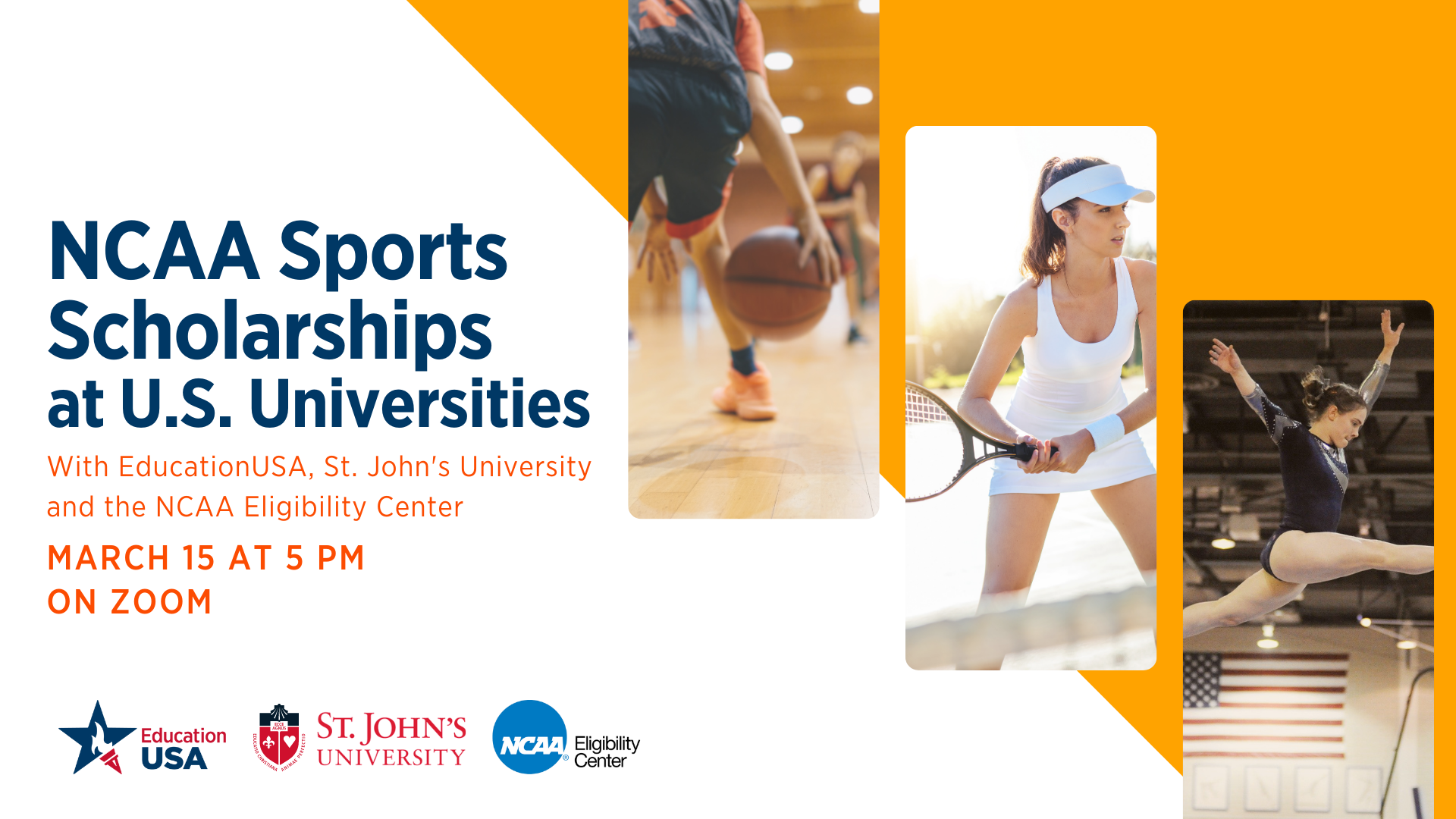
Scholarship For Sports Science: Your Game-Changing Opportunity
Imagine standing on the sidelines, the roar of the crowd in your ears, watching athletes push their bodies to the absolute limit. You’re not just seeing a game; you’re seeing a symphony of muscle, bone, and nerve. You understand the intricate dance of human movement, the science behind every sprint, every jump, every powerful strike. Maybe you’ve been an athlete yourself, pushing through injuries, always wondering how you could optimize performance or prevent setbacks. Or perhaps you’re simply fascinated by the human body’s incredible capacity and how science can unlock even more of it.
This fascination, this burning curiosity, leads you to a dream: studying Sports Science. You envision yourself in a lab, analyzing gait patterns; in a gym, designing strength programs; or in a clinic, helping someone recover from an injury. You want to be at the forefront of human performance, health, and well-being. But then reality sets in. The cost of higher education, especially for a specialized field, can feel like an insurmountable barrier. Tuition fees, living expenses, books – it all adds up, casting a long shadow over your aspirations. Many brilliant minds, many passionate future sports scientists, hesitate at this point, wondering if their dream is simply too expensive.
But what if I told you there’s a path, a game-changing opportunity that can turn that dream into a reality? What if there’s a way to chase your passion without the crushing burden of debt? That path, my friend, is the Scholarship For Sports Science. It’s not just for the super-rich or the academic prodigies; it’s for determined individuals like you, who have the drive, the talent, and the vision to contribute to the dynamic world of sports and exercise.
The Dream of Sports Science – More Than Just a Game
Let’s first talk about why this field matters so much. Sports science is far more than just helping elite athletes win medals. It’s a broad, fascinating discipline that touches countless lives. Think about it:
- Exercise physiology helps us understand how the body responds to physical activity, from the cellular level to whole-body systems. This knowledge is crucial for designing effective training programs, whether for a marathon runner or someone recovering from heart surgery.
- Biomechanics looks at the mechanics of human movement. Scientists in this area analyze everything from a golf swing to the impact forces on a runner’s knees, finding ways to improve efficiency and reduce injury risk.
- Sports nutrition explores how diet impacts performance, recovery, and overall health. It’s about fueling the body optimally, not just for athletes, but for anyone looking to live a healthier life.
- Kinesiology, often used interchangeably with sports science, is the study of human movement. It forms the foundation for many other sub-disciplines, leading to careers in physical therapy, athletic training, coaching, and public health.
- Sports psychology delves into the mental aspects of performance, helping athletes manage pressure, build resilience, and maintain focus. But it also helps regular people use exercise for mental well-being.
The impact of these fields extends from Olympic stadiums to local community centers, from rehabilitation clinics to corporate wellness programs. You could be preventing injuries for a professional football team, designing fitness programs for older adults, developing cutting-edge research on human limits, or educating the public on healthy living. The possibilities are truly vast. This profound impact is why investing in future sports scientists is so important – and why so many organizations offer scholarships to support your journey.
The Hurdles: Funding Your Passion
We’ve all heard the stories, or maybe even experienced them ourselves. The rising cost of a college education in the United States is a significant concern. A four-year degree can easily run into tens of thousands of dollars, sometimes even hundreds of thousands. For a specialized program in sports science, with its potential lab fees, equipment costs, and specific certifications, the expenses can feel overwhelming.
Many students try to juggle part-time jobs, take out loans, or rely heavily on family support. While these paths are often necessary, they can add immense stress, distract from studies, and leave graduates with substantial debt, delaying their ability to pursue their chosen career path or other life goals. This financial pressure is a real hurdle, one that stops many from even applying to their dream programs. But it doesn’t have to stop you.
Enter the Game Changer: Scholarship For Sports Science
This is where scholarships come into play, acting as a true game changer. A scholarship is essentially free money – funds awarded to students to help pay for their education, which you don’t have to pay back. They are an investment in your potential, a recognition of your academic achievements, athletic prowess, leadership skills, community involvement, or even your specific background or area of interest.
Think of it like this: You’ve put in the hard work, you’ve shown promise, and now an organization or institution wants to support your growth. They see the value in your future contributions to the field of sports science. These scholarships exist to remove financial barriers, allowing you to focus on what truly matters: learning, researching, and developing the skills that will shape your career.
Where to Look: Uncovering Scholarship Treasures
Finding the right scholarship can feel like a treasure hunt, but with a bit of guidance, you can uncover many valuable opportunities. Here’s where to start digging:
-
University-Specific Scholarships:
- Many colleges and universities that offer sports science programs have their own financial aid departments and scholarship opportunities. When you apply to a school, always check their website for departmental scholarships. Look for university sports science scholarships, often tailored for students pursuing specific degrees like athletic training scholarships, exercise physiology grants, or kinesiology financial aid. Don’t forget to distinguish between undergraduate sports science funding and graduate sports science scholarships, as criteria and amounts can differ significantly. Some institutions also have scholarships specifically for students demonstrating financial need, while others reward academic merit or community involvement.
-
Professional Organizations and Associations:
- This is a goldmine for specialized funding. Groups dedicated to different aspects of sports science often offer scholarships to foster the next generation of professionals.
- The American College of Sports Medicine (ACSM)
- The National Athletic Trainers’ Association (NATA)
- The National Strength and Conditioning Association (NSCA)
- The American Physical Therapy Association (APTA) – many physical therapy programs have a strong sports science component, so look for physical therapy scholarships here.
- Organizations focused on sports medicine scholarships or strength and conditioning scholarships are great places to check. These groups are deeply invested in the growth of their fields and often provide grants for research or general academic pursuits.
- This is a goldmine for specialized funding. Groups dedicated to different aspects of sports science often offer scholarships to foster the next generation of professionals.
-
Government and Private Foundations:
- Beyond universities and professional groups, various government programs and private foundations offer educational grants. While not always sports-science specific, they might have broader criteria that you fit. Look for general academic scholarships, scholarships for specific demographics, or those tied to community service. Sometimes, a foundation focused on public health might offer exercise physiology grants or funding for projects related to sports nutrition funding.
-
Niche & Specialty Scholarships:
- The beauty of sports science is its diverse sub-fields. This means there are often scholarships for very specific interests:
- If you’re passionate about how bodies move, search for biomechanics research grants.
- For those interested in the mental game, look into sports psychology scholarships.
- If your focus is on optimizing athletic output, explore performance science funding opportunities.
- Even niche areas like adaptive sports or youth sports development might have dedicated funding.
- The beauty of sports science is its diverse sub-fields. This means there are often scholarships for very specific interests:
-
International Student Opportunities:
- If you’re coming from outside the United States, don’t despair! Many US universities and organizations recognize the value of a diverse student body. Actively search for international sports science scholarships USA. These often have specific requirements, such as language proficiency tests or visa considerations, but they are absolutely available.
-
Athletic Scholarships:
- For those who excel in a sport, combining your athletic talent with your academic pursuit is a classic route. While often thought of as just for "star athletes," many universities offer college sports scholarships that include an academic component. You might be an elite athlete in your chosen sport, and your performance can directly contribute to your scholarship eligibility. These aren’t always full rides; they can be partial scholarships that cover a significant portion of your tuition.
Crafting Your Winning Application: A Playbook for Success
Securing a scholarship isn’t just about finding one; it’s about making your application stand out. Think of it as preparing for a big game – you need a solid strategy and flawless execution. Here’s your playbook for how to get a sports science scholarship:
-
Academic Excellence:
- Good grades are often the first thing scholarship committees look at. They want to see that you’re capable of handling rigorous academic work. Maintain a strong GPA, especially in science and math courses. This is a foundational requirement for sports science scholarships.
-
Athletic Prowess (If Applicable):
- If you’re aiming for an athletic scholarship, your performance in your sport is key. This means not only your stats but also your leadership, teamwork, and commitment. Recruiters and coaches will evaluate your potential to contribute to their team. Even if you’re not on an athletic scholarship track, demonstrating participation in sports can show your passion for the field.
-
Compelling Essays and Personal Statements:
- This is your chance to tell your story. Don’t just list your achievements; explain why sports science is your calling. What sparked your interest? What experiences have shaped your desire to pursue this field? How will this scholarship help you achieve your goals? Be authentic, passionate, and let your unique voice shine through. This is where you can connect your personal journey to the broader impact of sports science.
-
Strong Letters of Recommendation:
- Choose recommenders who know you well and can speak to your strengths, character, and potential. This could be a science teacher, a coach, a mentor, or an employer. Give them plenty of time, provide them with your resume and a brief explanation of the scholarship, and highlight what you’d like them to emphasize. A powerful recommendation can significantly boost your application.
-
Detailed Resume/CV:
- List all your academic achievements, extracurricular activities, volunteer work, relevant job experience, and any awards or honors. Highlight anything related to sports, science, health, or leadership. Even if it’s volunteering at a local youth sports clinic or shadowing a physical therapist, these experiences show your dedication.
-
Interviews (If Required):
- If you’re invited for an interview, treat it like a professional meeting. Research the organization or university, prepare answers to common questions (e.g., "Why sports science?", "What are your career goals?", "Why do you deserve this scholarship?"), and have a few questions of your own ready to ask. Dress appropriately, be polite, and show enthusiasm.
Beyond the Application: What Happens Next?
Once you’ve submitted your application, the waiting game begins. It can be a nerve-wracking time, but it’s important to be patient. If you receive an offer, read all the terms and conditions carefully. Understand what the scholarship covers, any GPA requirements to maintain it, and what responsibilities come with being a recipient.
A scholarship isn’t just financial aid; it’s often an entry point into a network of like-minded individuals, mentors, and professionals. Many scholarship programs offer opportunities for networking, internships, and professional development. Embrace these chances; they can be incredibly valuable for your future career. Remember, you’re not just receiving money; you’re becoming part of a community that believes in your potential.
Real Stories, Real Impact
Let’s imagine a few paths a scholarship might open up:
-
Sarah’s Story: Sarah grew up playing soccer, constantly fascinated by how her body moved and how injuries occurred. She dreamed of studying exercise physiology to help athletes prevent those very injuries. With a university sports science scholarship based on her strong academic record and an essay detailing her vision for injury prevention, she attended a top program. Today, she works with a professional sports team, designing training protocols that keep players on the field and performing at their peak, a direct result of the opportunity her scholarship provided.
-
David’s Journey: David was always tinkering, always analyzing. His passion lay in understanding the mechanics of human motion – biomechanics. He wanted to research how small changes in technique could lead to massive improvements in performance. A specialized biomechanics research grant from a national sports science association allowed him to pursue a master’s degree, focusing on developing innovative wearable technology to analyze running gait. Now, he’s a lead researcher, his work influencing shoe design and training methods worldwide.
-
Maria’s Global Dream: Maria, from a small town in Brazil, saw the transformative power of good nutrition in sports. She dreamt of studying sports nutrition funding at a leading university in the US, but the costs seemed impossible. She applied for an international sports science scholarship USA that valued global perspectives and a commitment to community health. The scholarship not only covered her tuition but also provided a living stipend, allowing her to fully immerse herself in her studies. She’s now back in Brazil, applying her knowledge to develop nutritional programs for underprivileged youth athletes, fueled by the education she received.
These aren’t just hypothetical tales; they represent the countless success stories made possible by scholarships. They show that with the right support, your passion for sports science can lead to a career that truly makes a difference.
Your Journey Starts Now: Taking the First Step
The path to a career in sports science is exciting and rewarding, and financial barriers shouldn’t hold you back. The world needs passionate, knowledgeable professionals to advance our understanding of human movement, performance, and health. You could be one of them.
Don’t wait. Start your research today. Look into the requirements for sports science scholarships at universities you’re interested in. Explore professional organizations and foundations. Craft a compelling story about why you deserve this opportunity. Seek out mentors and ask for advice. The process might take time and effort, but the potential rewards – a debt-free education and the chance to pursue your dream – are immeasurable.
Your game-changing opportunity, the Scholarship For Sports Science, is out there. It’s waiting for you to find it, apply for it, and seize it. Take that first step, and prepare to embark on an incredible journey that will shape not only your future but also the future of sports, health, and human performance. You have the passion; now go find the support to make it a reality.