 11
11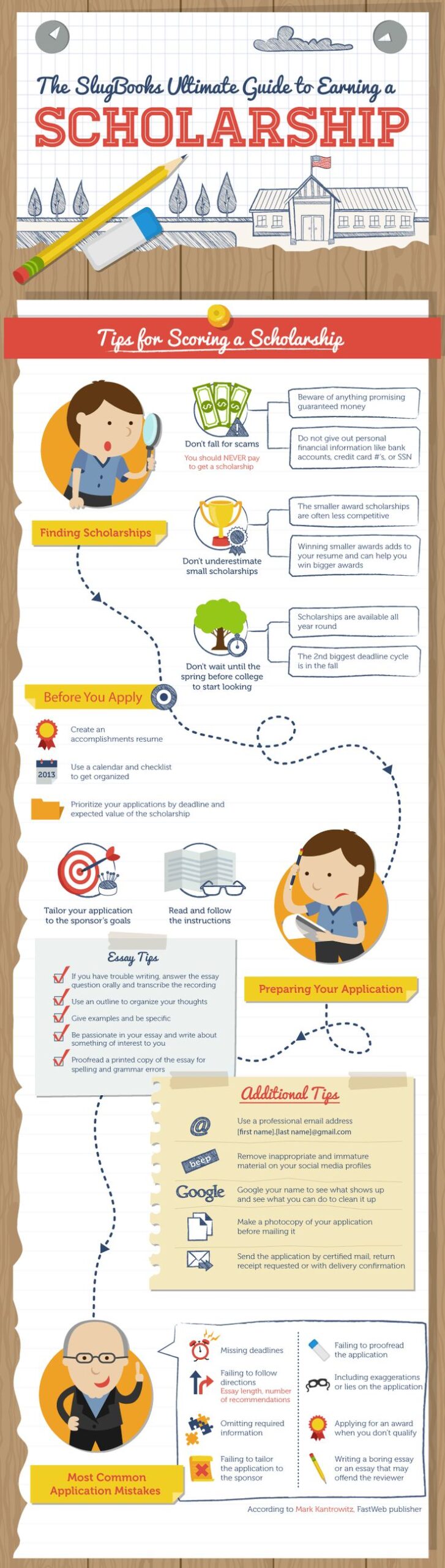
I remember the feeling vividly, like it was yesterday. It was a Saturday morning, the kind where the sun promised a bright day but my own world felt shrouded in grey. I was sitting at my kitchen table, a lukewarm cup of coffee in hand, staring at the same old job listings I’d been scrolling through for months. Each one felt like a brick wall. My dreams of a better career, a more fulfilling path, always seemed to hit the same obstacle: the cost of further education.
Traditional universities? Out of the question. I had responsibilities, a modest income, and the thought of accumulating student loan debt felt like signing away my future. Commuting to a campus, sacrificing precious hours, it just wasn’t feasible. I felt stuck, like a ship without a sail, constantly adrift but never moving forward.
Then, one evening, while endlessly tumbling down an internet rabbit hole, I stumbled upon something called "e-learning." It wasn’t a new concept, but for some reason, it clicked differently that night. The idea of learning from home, on my own schedule, felt like a whisper of possibility in the vast silence of my despair. No commutes, no fixed class times, just me and a screen, absorbing knowledge at my own pace. It sounded like magic. But then, reality set in again. Even online courses, especially the good ones, came with a price tag. A smaller price tag than a full university degree, perhaps, but still a significant hurdle for someone like me. My enthusiasm dwindled, replaced by that familiar knot of frustration in my stomach.
It was during one of these low moments, after seeing yet another online course that looked perfect but was financially out of reach, that a wild thought popped into my head. "What if there was a scholarship for this?" It felt almost silly to consider. Scholarships, in my mind, were for brilliant high school students heading to Ivy League colleges, or athletes, or people with very specific, niche talents. Not for someone like me, wanting to learn web development or digital marketing from my living room.
But the thought, once planted, refused to leave. I started searching. My initial queries were broad: "funding for online courses," "free online education," "distance learning grants." The results were a mixed bag. A lot of generic advice, some scams, but also, crucially, legitimate leads. I found articles discussing how online learning was democratizing education, and how various organizations, universities, and even individual course providers were offering financial aid to make it even more accessible. It was like finding a hidden spring in a desert.
I spent weeks, maybe even months, digging. I scoured the websites of major online learning platforms. I checked specific university departments that offered online programs. I looked at non-profit organizations dedicated to skill development and career advancement. I even joined online forums and communities where people discussed their e-learning journeys and shared tips. What I discovered was a vibrant, supportive ecosystem I never knew existed. There were scholarships based on merit, for those with strong academic backgrounds. There were need-based scholarships, designed to help individuals facing financial hardship. And there were scholarships for specific fields, like women in tech, or individuals from underrepresented backgrounds, or even for those looking to pivot into in-demand industries.
The sheer variety was astounding. It wasn’t just about covering tuition; some even offered stipends for course materials, internet access, or software licenses. This was more than just a glimmer; it was a beacon. The dream I thought was dead began to stir again, stronger this time. The thought of getting an online education scholarship transformed from a silly fantasy into a tangible goal.
The application process, I won’t lie, was a gauntlet. It wasn’t just filling out a form and hoping for the best. Each scholarship had its own requirements, its own set of questions, its own unique personality. I remember one scholarship asked for a detailed essay about my long-term career aspirations and how their program would specifically help me achieve them. Another required letters of recommendation, which meant I had to reach out to former supervisors and mentors, explaining my new aspirations and asking for their support. That alone was a humbling experience, forcing me to articulate my vision clearly.
The personal statement, for most of them, was the hardest part, but also the most rewarding. It forced me to look inward, to truly understand why I wanted this, beyond just "a better job." I wrote about my frustrations, my yearning for knowledge, my belief that education was the key to unlocking my potential, not just for myself but for my family. I wrote about the specific challenges I faced, the financial constraints that had always held me back, and how e-learning was the only viable path for me. I poured my heart into those essays, crafting each sentence, rereading, editing, and then editing again. I asked friends to proofread, not just for grammar, but for clarity and emotional impact. I wanted them to see the real me, the person behind the application form.
My advice to anyone applying for these remote learning funding opportunities is this: be authentic. Don’t just regurgitate what you think they want to hear. Tell your story. Be specific about your goals and how their scholarship and their chosen e-learning program will help you achieve them. Show them you’ve done your homework, that you understand the course content, and that you’re genuinely committed. And please, for the love of all that is holy, proofread everything. A small typo can undermine an otherwise brilliant application.
The waiting game was agony. Every day, I checked my email with a mix of dread and anticipation. Days turned into weeks, weeks into months. I received rejection letters, of course. Those stung, but each one also taught me something. It taught me resilience, and it taught me to refine my approach for the next application. I learned to see each rejection not as a failure, but as a redirection.
Then, one Tuesday morning, amidst a pile of mundane emails, there it was. A subject line that made my heart leap: "Congratulations – Scholarship Awarded!" I remember the screen blurring for a moment as my eyes welled up. I opened it slowly, half-expecting it to be a mistake, or a cleverly disguised spam message. But no, it was real. A full scholarship covering the tuition for the advanced digital marketing certification I had been dreaming of. I reread the email five times, just to make sure. The relief, the sheer unadulterated joy, was overwhelming. It felt like a lifetime of striving had finally culminated in this one pivotal moment. I had found my study online for free opportunity.
The e-learning experience itself was everything I had hoped for and more. The flexibility was a game-changer. I could study in the evenings after work, or on weekends, fitting my learning around my existing commitments. There were no frantic rushes to beat traffic or find parking. My classroom was my living room, my local coffee shop, or even a quiet park bench.
The courses were incredibly well-structured. Modules were broken down into manageable chunks, with video lectures, reading materials, interactive quizzes, and practical assignments. I loved the discussion forums, where I could interact with fellow students from all corners of the globe. It was fascinating to see how different cultural perspectives influenced marketing strategies, and it expanded my worldview in ways I hadn’t anticipated. My instructors were industry professionals, bringing real-world experience and insights that felt invaluable. They weren’t just teaching theory; they were sharing wisdom gleaned from years in the field.
It wasn’t without its challenges, of course. Self-discipline became my closest companion, and sometimes my fiercest adversary. There were days when motivation flagged, when the allure of a Netflix binge was stronger than the call of a marketing textbook. I had to learn to create a structured study environment, free from distractions. I set strict schedules, broke down large assignments into smaller tasks, and rewarded myself for milestones. Technical glitches occasionally popped up, testing my patience, but the online support teams were generally quick to respond. There were moments of isolation too, where I missed the immediate camaraderie of a physical classroom. But I combated this by actively participating in online study groups and connecting with classmates on social media.
This e-learning opportunity was more than just acquiring new skills; it was about transforming my mindset. I learned to be a more independent learner, a better problem-solver, and incredibly adaptable. The skills I gained were immediately applicable. I started noticing how businesses around me were using digital marketing, dissecting their strategies, and thinking about how I could apply what I was learning. It wasn’t just theoretical knowledge; it was practical, hands-on understanding.
As the program neared its end, I felt a confidence I hadn’t possessed before. I wasn’t just dreaming of a better career; I was actively building one. The scholarship had opened doors I never knew existed. Armed with my new certification and a portfolio of projects, I started applying for new roles. Within a few months, I landed a position in a digital marketing agency, a job that paid significantly more than my previous one and offered immense growth potential. It felt surreal, like a story I was reading about someone else, not my own life.
My life, truly, was transformed. The financial strain eased. I could contribute more to my family, pursue hobbies I had long deferred, and even start saving for future goals. But beyond the material benefits, there was an intangible shift. I felt empowered. I felt capable. I felt like I had taken control of my destiny, all thanks to that initial leap of faith and the incredible support of a scholarship for e-learning.
To anyone out there reading this, feeling the same frustrations and limitations I once did, please hear me: these opportunities are real. Online education scholarships are not a myth. They are tangible resources designed to help people like us bridge the gap between aspiration and achievement. Don’t let financial barriers deter you from pursuing your educational goals. The digital world has made learning more accessible than ever before, and organizations are actively looking to support individuals who are eager to learn and grow.
Start your search today. Be persistent. Be honest in your applications. Tell your story with conviction. Look for funding for online courses on university websites, major e-learning platforms, non-profit organizations, and even government education portals. Don’t be afraid to ask for help or advice from others who have walked a similar path. Remember, every step you take, every application you submit, brings you closer to your goal. The world of e-learning, supported by generous scholarships, is waiting to unlock your potential. It certainly unlocked mine, turning a grey Saturday morning into a future filled with vibrant possibilities. You can do it too. Your journey to digital education grants and a brighter future is just a search query away.