 11
11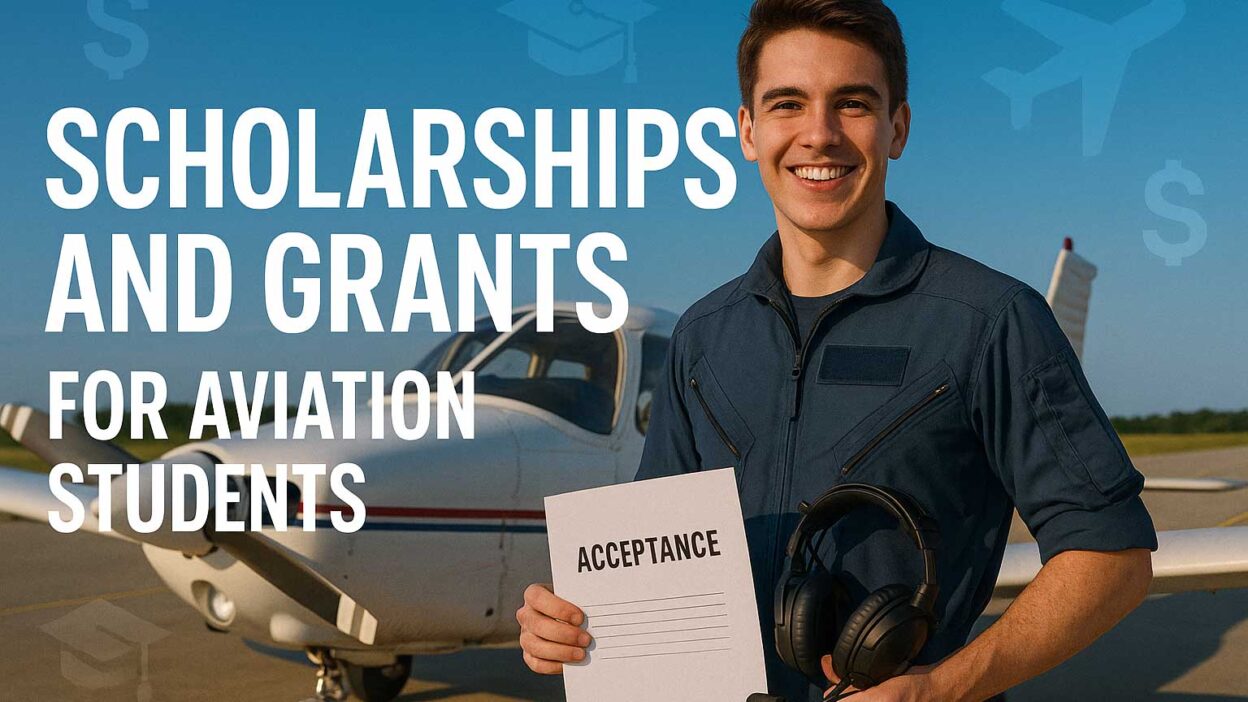
I remember the first time I truly felt the pull of the sky. It wasn’t just a passing fancy; it was a deep, resonant calling, like a melody only my soul could hear. I was a child, maybe seven or eight, at a small local airshow. The roar of the engines, the glint of sunlight on polished aluminum, the sheer impossible grace of those machines defying gravity – it all imprinted itself on me. From that day forward, my eyes were always drawn upwards, tracking every contrail, imagining myself at the controls. My bedroom became a shrine to aviation, plastered with posters of fighter jets and commercial airliners, model planes hanging from the ceiling, their tiny wings catching the currents from my fan. I devoured every book, every documentary I could find about flying, about the history of aviation, about the brave men and women who took to the air. The dream was clear: I was going to be a pilot.
But as I grew older, the stark reality of that dream began to sink in. Aviation, I quickly learned, wasn’t just a passion; it was an incredibly expensive one. The cost of flight school, the hours of instruction, the written exams, the practical tests, the specialized equipment – it all added up to a sum that felt utterly astronomical, a mountain too high for a kid from a modest background like mine to ever hope to climb. My heart would sink every time I looked at the tuition fees for flight academies or university aviation programs. It felt like my dream, so vivid and tangible in my imagination, was slowly fading, crushed under the weight of financial impossibility. I spent countless nights staring at the ceiling, wondering if I had to give up on the only thing I truly wanted to do with my life. Was this dream destined to remain just that – a dream?
Then, one particularly gloomy afternoon, feeling especially despondent after reviewing yet another flight school’s daunting price list, I stumbled upon a forum post online. It was titled something simple like "Funding Your Flight Training," and within it, people were discussing "scholarships for aviation students." Scholarships? I’d heard of them for traditional university degrees, of course, but for something as specialized and hands-on as flight training? The idea felt novel, a glimmer of hope in what had become a very dark tunnel. It was a tiny spark, but it was enough to ignite a new kind of determination in me. If there was even a slim chance, I was going to chase it with everything I had.
My initial search was clumsy, filled with broad terms and a lot of dead ends. But gradually, I began to learn the landscape. I discovered that there wasn’t just one type of scholarship, but a whole universe of opportunities out there, waiting for aspiring aviators like me. It wasn’t just about being the absolute top of your class; many scholarships looked for passion, leadership, community involvement, or even specific demographics. I learned about organizations dedicated to promoting aviation, companies invested in nurturing future talent, and even private individuals who simply wanted to help someone achieve their aviation dreams. This wasn’t a single, enormous mountain to climb, but a series of smaller hills, each with its own path to the summit.
The first step, I realized, was meticulous research. I started by listing all the major aviation associations: the Aircraft Owners and Pilots Association (AOPA), the Experimental Aircraft Association (EAA), Women in Aviation International (WAI), the Ninety-Nines (an international organization of women pilots), the National Business Aviation Association (NBAA), and countless others. Each of these, I found, had scholarship programs, often with multiple opportunities throughout the year. Then there were the universities with aviation programs – many offered their own institutional scholarships. And I didn’t stop there. I looked at corporate scholarships from airlines, aerospace manufacturers, and even smaller flight schools. Government grants and veteran-specific programs also made their way onto my ever-growing list. It was like putting together a giant puzzle, piece by careful piece. The key, I quickly understood, was casting a wide net and not being afraid to explore every single lead, no matter how small it seemed at first.
As I delved deeper, I started to understand the common threads running through these scholarship applications. They almost always required a personal essay, transcripts, letters of recommendation, and a resume. But they weren’t just looking for good grades. They wanted to see the person behind the numbers. They wanted to know why I wanted to fly, what aviation meant to me, and what I planned to do with my wings once I earned them. This was where my childhood dream, my endless hours of reading and imagining, became my greatest asset. I had a story to tell, a genuine passion that had been burning within me for years.
Crafting that personal essay was a journey in itself. I poured my heart out onto the page, describing that airshow experience, the feeling of looking up at the sky, the unwavering conviction that I belonged up there. I talked about the challenges I faced, the financial hurdles, and how this scholarship would be more than just money – it would be the key to unlocking my future. I made sure to connect my personal story to the broader field of aviation, explaining how I hoped to contribute to the industry, perhaps through promoting aviation safety or inspiring the next generation. It wasn’t just about me; it was about the bigger picture. I wrote draft after draft, refining every sentence, making sure my voice was clear, authentic, and compelling. I asked trusted teachers and mentors to read it, offering feedback that helped me polish it to a shine.
For the letters of recommendation, I approached teachers and community leaders who knew me well, who could speak not just to my academic abilities but also to my character, my work ethic, and my unwavering commitment to my aviation dream. I made sure to provide them with my resume, a list of my accomplishments, and a clear explanation of what I was applying for, making it easier for them to write strong, personalized letters. It’s a small detail, but helping those who are helping you can make a big difference.
The application process was grueling, no doubt about it. There were countless forms to fill out, deadlines to track, and essays to tailor for each specific scholarship. Some required interviews, which were nerve-wracking but also exhilarating opportunities to share my passion face-to-face. There were rejections, too, more than a few, and each one stung. It was easy to get discouraged, to feel like I wasn’t good enough or that the effort was futile. But I remembered that initial spark of hope, the vision of myself in the cockpit, and I pushed through. Every "no" brought me closer to a "yes," I told myself. It was a numbers game, and persistence was my strongest ally.
And then, one day, it happened. An email landed in my inbox, the subject line making my heart leap into my throat. It was from one of the aviation associations I had applied to, a reputable organization with a long history of supporting aspiring pilots. I opened it with trembling fingers, my eyes scanning the words until they landed on the one I had been dreaming of: "Congratulations!" I had been awarded a significant scholarship to cover a portion of my private pilot training. The relief, the sheer elation, was overwhelming. I remember calling my parents, tears streaming down my face, barely able to articulate the news. It wasn’t just money; it was validation. It was proof that my dream wasn’t impossible, that there were people out there who believed in me and wanted to help me reach for the skies.
That first scholarship was a game-changer. It covered a substantial part of my initial flight hours and ground school, lifting a massive financial burden and allowing me to focus on my studies and training. It opened the door, and once I was in, I didn’t stop. I continued to research and apply for more scholarships. As I progressed in my training, earning my private pilot license, then moving on to instrument rating and commercial pilot certificates, new scholarship opportunities became available, often tailored to specific stages of flight training or to those pursuing particular career paths within aviation.
I learned that scholarships aren’t just for brand-new students. Many programs support individuals at various stages of their aviation journey. Some are specifically designed for students pursuing an Associate’s or Bachelor’s degree in aviation management, aerospace engineering, or air traffic control. Others target those already enrolled in a flight training program, helping them fund their instrument rating, commercial pilot certificate, or even advanced ratings like certified flight instructor (CFI). There are scholarships specifically for women in aviation, for minority groups, for veterans, for those demonstrating financial need, and for those excelling academically. Some are merit-based, rewarding high GPAs and strong leadership. Others focus on community involvement or volunteer work.
For instance, I found scholarships from local chapters of aviation organizations, which often had less competition than the national ones. I also discovered corporate scholarships from companies like Southwest Airlines, FedEx, or regional airlines, which often came with the added bonus of mentorship opportunities or even potential pathways to employment after graduation. University-specific scholarships were another crucial source, especially if you plan to get an aviation degree alongside your flight training. Don’t overlook smaller, regional foundations or even local community groups; sometimes, these hidden gems are the easiest to secure.
Beyond the direct financial assistance, these scholarships provided something invaluable: connection. Through the scholarship organizations, I met mentors who guided me through the complexities of the aviation industry. I networked with fellow scholarship recipients, building a community of like-minded individuals who supported each other’s aspirations. These connections often led to opportunities I wouldn’t have found otherwise, like internships or volunteer roles that further enriched my experience and strengthened my resume. A scholarship isn’t just a check; it’s an investment in your future, often accompanied by a network of support that can be just as crucial as the money itself.
My journey to the cockpit, which once seemed like an impossible fantasy, became a tangible reality, one flight hour at a time, fueled by hard work, unwavering dedication, and the incredible support of these scholarship programs. I’m now living my dream, flying professionally, and every time I look out at the world from above, I’m reminded of that determined child at the airshow, and the long, winding path that led me here.
For anyone out there who feels the same pull of the sky but is daunted by the financial hurdles, please, hear me: do not give up. Your dream is worth fighting for. Start your research early, even before you’ve picked a flight school or university. The earlier you begin, the more opportunities you’ll find, and the more time you’ll have to craft compelling applications. Be persistent. Expect rejections, but don’t let them define you. Each application is a learning experience, and every effort brings you closer to your goal.
Tailor each application. A generic essay won’t cut it. Research the organization or individual offering the scholarship and explain why their specific mission resonates with you and how you embody the values they seek. Proofread everything meticulously; a sloppy application can undermine even the most heartfelt message. And most importantly, tell your story. Let your passion shine through. Aviation is a field built on dreams and determination, and scholarship committees want to invest in individuals who truly embody that spirit. Don’t be afraid to ask for help from teachers, counselors, or even experienced pilots you might know. Many people are eager to support aspiring aviators. Network, connect with others in the field, and seek out mentors. The aviation community is often more welcoming and supportive than you might imagine.
The sky is vast, and there’s room for all who are willing to put in the work and chase their dreams. Scholarships for aviation students are not a myth; they are a very real, very powerful bridge to the future you envision. They were for me, and they can be for you too. So, take that first step, dive into the research, and start writing your story. The world above is waiting.