 11
11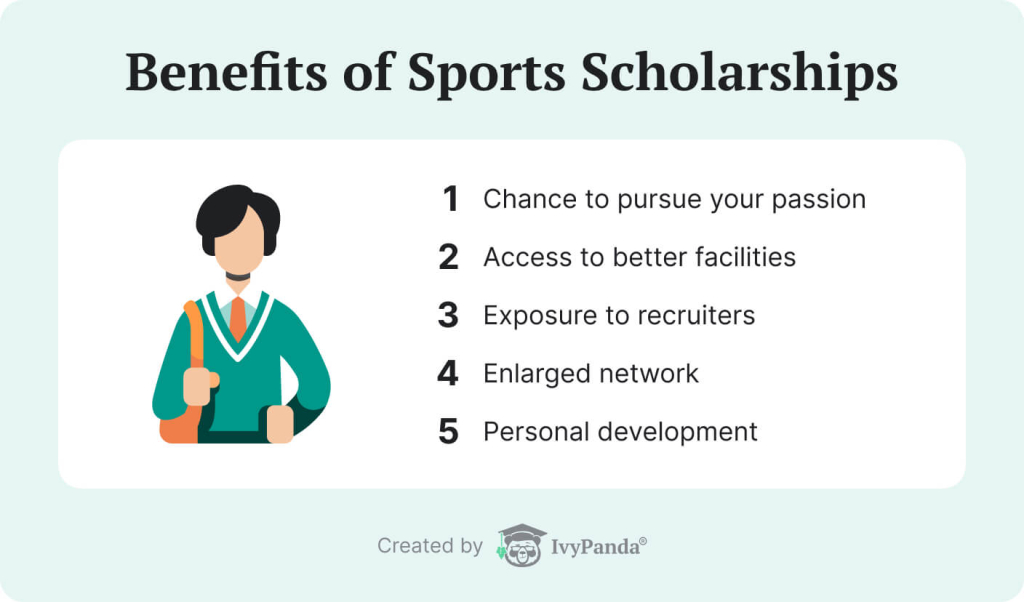
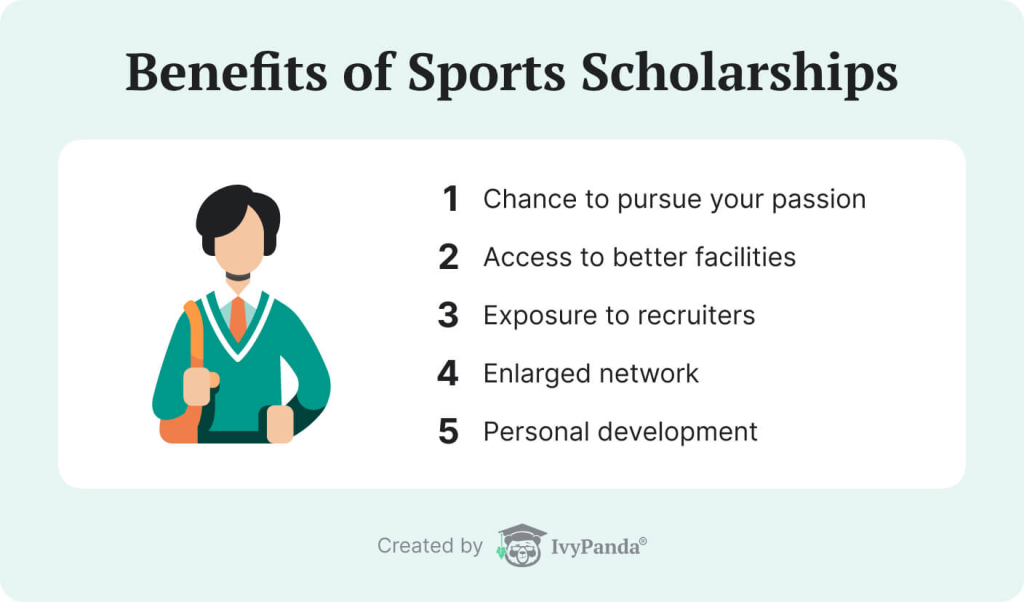
You know, there’s a certain magic in the air when you’re young and obsessed with a sport. For me, it was the rhythmic thud of a basketball on the court, the squeak of sneakers, the roar of a crowd. Every practice, every game, felt like a step closer to a grander stage. But as I grew, so did the whispers of reality: college was expensive. My family wasn’t wealthy, and the idea of pursuing my athletic dreams beyond high school, let alone getting a degree, felt like an impossible balancing act between aspiration and financial burden. That’s when I first heard about them, these mythical "scholarships for athletes." It sounded like a lifeline, a golden ticket that could bridge the gap between my athletic prowess and academic ambition. And let me tell you, it truly is.
I remember countless evenings spent hunched over my textbooks after grueling practices, my muscles aching, my mind weary. The temptation to just focus on the game, to let my grades slip, was always there, a siren song promising an easier path. But deep down, I knew that the dream of playing college sports wasn’t just about raw talent. It was about proving myself on both fronts. Coaches, I learned, weren’t just looking for star players; they were looking for dedicated individuals, for student-athletes who could handle the rigorous demands of academics alongside intense training schedules. This early understanding became my bedrock, the fundamental truth that guided my journey.
The path to securing an athletic scholarship isn’t a straight line; it’s more like a winding river, full of currents and unexpected turns. My own journey began with a lot of research, piecing together information from coaches, older teammates, and even online forums. I quickly realized that "scholarship for athletes" wasn’t a one-size-fits-all concept. There are different divisions – NCAA (Divisions I, II, III), NAIA, NJCAA – each with its own set of rules, scholarship opportunities, and academic standards. It was a dizzying amount of information for a teenager, but also incredibly empowering. It meant there were multiple avenues, multiple chances to find a place where I could thrive.
One of the first crucial steps, and perhaps the most daunting, was creating a comprehensive profile. This wasn’t just about my stats on the court; it was about presenting myself as a complete package. My grades, test scores (SAT/ACT), extracurricular activities, and community service all played a vital role. And of course, there was the athletic side: compiling highlight videos, gathering references from coaches, and attending showcases and camps where college recruiters might be present. It felt like I was building a brand, a narrative of who I was as a student and as an athlete. Every single detail mattered, from the quality of my highlight reel to the polite thank-you notes I sent after every interaction.
The highlight video, I’d say, is perhaps the most direct line of communication you have with a potential coach before they ever see you in person. Think of it as your athletic resume, a concise, powerful demonstration of your skills, your game sense, and your athleticism. Mine took weeks to perfect. I worked with my high school coach to select the best clips, moments that truly showcased my strengths – not just scoring, but also my defensive prowess, my assists, my leadership on the court. It wasn’t about flashy plays alone; it was about demonstrating consistency and understanding of the game. A well-edited, professional-looking video can be the difference between getting noticed and getting overlooked in a sea of talented applicants.
Reaching out to college coaches was another massive hurdle. It felt like cold-calling a celebrity. I remember the nervousness in my stomach every time I drafted an email. What do I say? How do I make myself stand out? The key, I learned, was personalization and persistence. Generic emails get ignored. I made sure to research each school and coach, mentioning specific aspects of their program that appealed to me. I attached my athletic resume, academic transcript, and, of course, that carefully crafted highlight video. And I followed up. Not relentlessly, but consistently, showing my genuine interest and dedication. Sometimes, I wouldn’t hear back, and that was tough. But sometimes, an email would land, a phone call would happen, and suddenly, the dream felt a little more tangible.
Academic excellence, I cannot stress enough, is non-negotiable. While athletic scholarships primarily recognize your sporting talent, your academic record is the gatekeeper. Most collegiate athletic associations, like the NCAA and NAIA, have minimum GPA requirements and standardized test scores you need to meet to be eligible to compete. Beyond eligibility, a strong academic record makes you a more attractive candidate to coaches. It signals discipline, intelligence, and the ability to succeed in a structured environment. Plus, let’s be honest, those grades give you a fallback plan, and sometimes even open doors to academic scholarships that can stack on top of athletic aid, sweetening the deal even further.
Navigating the NCAA Eligibility Center was another critical step. This is where you register to ensure you meet all the academic and amateurism requirements to compete in college sports. It involves submitting your high school transcripts and test scores, and it’s a process that requires careful attention to detail and timely submission. Don’t wait until the last minute! I learned the hard way that administrative tasks, though seemingly mundane, can derail your entire scholarship quest if not handled properly. My counselor at school was a huge help here, guiding me through the paperwork and deadlines. Find someone in your school who understands this process, whether it’s an athletic director or a guidance counselor. They are invaluable resources.
The recruiting visits were an experience in themselves. When a coach expresses serious interest, they often invite you to visit their campus, meet the team, see the facilities, and get a feel for what life as a student-athlete there would be like. These visits are a two-way street. While they’re evaluating you, you’re also evaluating them. Is this a place where I can thrive? Do I connect with the coaches and players? Does the academic program I’m interested in seem strong? It’s a big decision, not just for four years of sports, but for four years of your life and the foundation of your future. I remember feeling a mix of excitement and intense scrutiny, trying to soak in every detail while also presenting my best self.
And then came the moment, the offer. I remember it so vividly. It wasn’t a grand, cinematic scene; it was a phone call, a conversation with a coach who had seen something in me, both on and off the court. Hearing the words "we’d like to offer you a scholarship" felt like the culmination of years of hard work, early mornings, late nights, sweat, and a few tears. It wasn’t just about the money, though that was a huge relief for my family. It was about validation, about being given the chance to continue pursuing my passion at a higher level, to get a college education, and to become part of something bigger than myself.
Life as a student-athlete is exhilarating, challenging, and incredibly rewarding. It’s not for the faint of heart, I’ll tell you that much. The balance between practice, games, travel, classes, homework, and trying to maintain some semblance of a social life is a constant juggling act. There were days I felt overwhelmed, questioning if I had made the right choice. But then there were moments – winning a big game, acing a tough exam, laughing with my teammates in the dining hall – that reminded me why I pushed so hard. These scholarships don’t just pay for tuition; they open doors to a transformative experience, teaching invaluable lessons in time management, discipline, resilience, and teamwork.
For those of you dreaming of this path, let me offer some advice, distilled from my own journey and the experiences of countless other student-athletes I’ve known. First, start early. The recruiting process begins much earlier than you might think, sometimes as early as freshman or sophomore year of high school. The sooner you start building your profile, researching schools, and making contact, the better. Second, focus on your academics with the same intensity you focus on your sport. A strong GPA and good test scores are your golden ticket to eligibility and desirability. Third, be proactive in your communication. Don’t wait for coaches to find you; reach out to them. Be polite, professional, and persistent.
Fourth, understand the different divisions and associations. NCAA Division I is highly competitive and offers full scholarships in many sports, but Division II also offers athletic aid, and Division III, while not offering athletic scholarships directly, often combines academic and need-based aid to make it affordable. NAIA and NJCAA are also excellent pathways with their own scholarship opportunities. Research which division best fits your athletic and academic profile. Fifth, create a professional and compelling highlight video. This is your visual resume. Invest time and effort into making it count.
Sixth, seek guidance from mentors. Your high school coaches, guidance counselors, and even former student-athletes can provide invaluable advice and connections. They’ve been through it, or helped others through it, and can steer you clear of common pitfalls. Seventh, be realistic and open-minded. You might have your dream school, but it’s important to consider multiple options. A scholarship at a school you hadn’t initially considered might turn out to be the perfect fit. Eighth, prepare for interviews. Coaches want to know you beyond your stats. Be ready to talk about your character, your leadership skills, your work ethic, and your academic interests.
Finally, remember that it’s a marathon, not a sprint. There will be setbacks, rejections, and moments of doubt. The key is to stay resilient, to keep working hard, and to believe in your abilities. The journey to securing a scholarship for athletes is a testament to perseverance. It’s about more than just playing a game; it’s about leveraging your passion to unlock a future, to gain an education, and to develop into a well-rounded individual ready for whatever challenges lie ahead.
Looking back, that scholarship wasn’t just financial aid; it was an investment in my potential. It allowed me to pursue a rigorous academic path while competing at a high level, experiences that shaped me profoundly. It taught me invaluable lessons about teamwork, leadership, time management, and the sheer grit required to succeed when the stakes are high. So, if you’re a young athlete out there, balancing homework with practice, dreaming of college sports, know this: the opportunity is real. It’s demanding, yes, but with dedication, smart planning, and a whole lot of heart, that scholarship for athletes could be waiting for you, ready to open the door to an extraordinary chapter of your life. It certainly did for me.