 11
11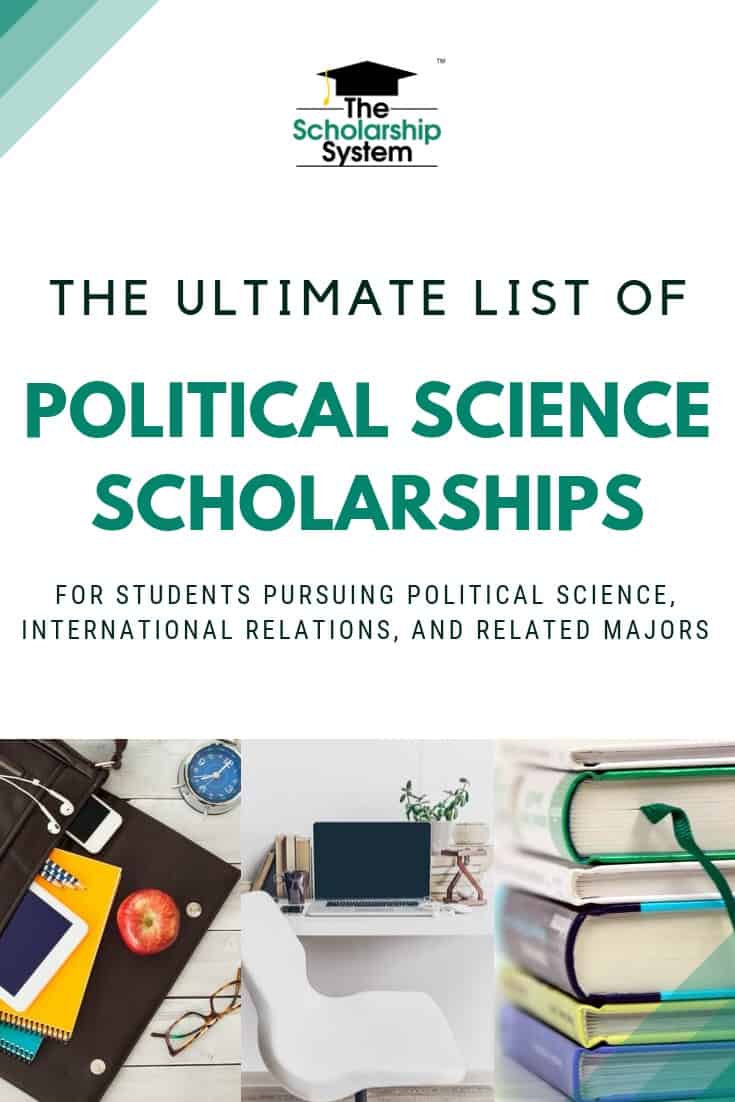
I remember the day I first truly understood what political science was. I was sitting in my high school history class, listening to a debate about historical events and their impact on current government structures. It wasn’t just about dates and names; it was about power, people, and the systems that shaped our lives. A spark ignited in me. I wanted to understand how societies worked, how decisions were made, and how I could contribute to making things better. My dream of studying political science was born right then and there.
But dreams, as I quickly learned, often come with a price tag. My family wasn’t wealthy. The thought of university tuition, living expenses, and all the associated costs loomed large, threatening to extinguish that spark before it could truly catch fire. I knew my passion for political science was strong, but passion alone wouldn’t pay the bills. That’s when I heard the whispers, then the clearer shouts, about scholarships. A scholarship for political science wasn’t just a possibility; it became my lifeline, my next big goal.
The initial search felt like staring into a vast, confusing ocean without a map. Where do you even begin looking for political science scholarships? My first stop was my school counselor, a kind woman who patiently explained that scholarships weren’t just for straight-A students or athletic stars. They were for people with potential, with unique stories, and with a clear vision for their future. This was encouraging, but still, the practical steps felt daunting.
I started by scouring university websites. Every institution I considered applying to had a "financial aid" or "scholarships" section. Many offered specific scholarships for political science majors, often named after alumni or significant figures in the field. Some were merit-based, requiring a certain GPA. Others were need-based, taking into account family income. And then there were the fascinating ones: scholarships for leadership, for community service, for essay writing on specific political topics. It was overwhelming, but also incredibly motivating. Each scholarship I found felt like a small beacon in that vast ocean.
Beyond university-specific options, I learned about external scholarships. These were offered by various organizations, foundations, and even government programs. I spent hours online, typing "political science scholarships," "funding for political science students," "grants for political science majors." I discovered organizations dedicated to promoting civic engagement, women in politics, or specific minority groups in public service. Each one had its own criteria, its own application process, and its own unique story. I made a spreadsheet, meticulously listing deadlines, requirements, and what each scholarship was looking for. This organization was crucial; it kept me from feeling completely lost.
The heart of almost every scholarship application, I discovered, was the essay. This wasn’t just about recounting my achievements; it was about telling my story, revealing my voice, and demonstrating why I was a good fit for their support. For political science scholarships, these essays often asked about my understanding of current events, my leadership experiences, or my aspirations for making a difference.
I remember staring at a blank screen for hours, trying to figure out how to articulate my deep interest in political theory and public policy. I didn’t want to just list things I’d done; I wanted to show why I did them and what I learned. For one particular scholarship, the prompt was about a political issue I felt passionate about. I chose environmental policy, connecting my personal experiences with local clean-up initiatives to broader global challenges. I wrote about how policy decisions directly impacted my community and how I envisioned a future where political science could offer solutions.
I poured my heart into those essays. I wrote about my volunteer work at a local soup kitchen, not just as a task, but as an experience that opened my eyes to social inequalities and the role of government in addressing them. I talked about my participation in the school debate club, not just as a competition, but as a training ground for critical thinking and understanding diverse perspectives – skills essential for any political scientist. I learned to be authentic, to let my passion shine through, and to connect my personal journey to the broader field of political science. I asked teachers, even my English teacher, to read my drafts, offering feedback that helped me refine my arguments and polish my prose. It wasn’t about sounding smart; it was about sounding real and committed.
Recommendations were another vital piece of the puzzle. Most scholarships asked for letters from teachers, counselors, or mentors who could speak to my character, academic abilities, and potential. I chose teachers who knew me well, who had seen my dedication in their classes, and who could genuinely articulate my strengths. I made sure to give them plenty of notice, providing them with my resume, a list of the scholarships I was applying for, and a brief explanation of why I was interested in political science. This made their job easier and ensured they could write a strong, personalized letter.
Building a strong overall profile was something I realized early on was incredibly important for securing a scholarship for political science. It wasn’t enough to just get good grades, though those certainly helped. Scholarships often look for well-rounded individuals who demonstrate initiative and engagement beyond the classroom. I made an effort to get involved in activities that resonated with my political science interests. I joined the student government, even if it meant attending long, sometimes tedious meetings. I volunteered for a local political campaign, stuffing envelopes and making phone calls, which gave me a firsthand look at the grassroots level of politics. I participated in Model United Nations, where I learned about international relations and diplomacy. These experiences not only enriched my understanding of political science but also provided concrete examples for my essays and interview discussions.
The interview stage, for some of the more prestigious scholarships, was nerve-wracking but also exhilarating. I remember preparing for one interview by researching the foundation thoroughly, understanding their mission, and anticipating potential questions. They asked me about my favorite political philosopher, my thoughts on a recent global event, and how I saw myself contributing to society after earning my political science degree. I tried to answer honestly, thoughtfully, and with genuine enthusiasm. It wasn’t about having all the "right" answers, but about demonstrating critical thinking, a willingness to engage, and a clear vision for my future studies and career in political science.
Of course, not every application resulted in success. There were rejections, plenty of them. Each "no" stung, sometimes making me question if I was good enough, if my dream was too big. But I learned to see them not as failures, but as learning opportunities. I’d review my applications, try to understand where I could improve, and move on to the next one with renewed determination. Perseverance became my closest companion during this period. I reminded myself that the journey to a scholarship for political science was often long and winding, not a straight path.
Then came the day. The email arrived, not in my spam folder, but in my main inbox. The subject line was clear: "Scholarship Offer." My heart pounded as I opened it. It was from a foundation dedicated to fostering future leaders in public service, offering a substantial scholarship for political science students committed to community engagement. I reread the email several times, just to be sure. The relief, the joy, the sheer disbelief was overwhelming. I had done it. I had secured a scholarship for political science.
That scholarship changed everything. It lifted an enormous financial burden from my shoulders, allowing me to focus entirely on my studies. I wasn’t just attending classes; I was thriving. I could afford textbooks without worrying about the cost, participate in study groups without rushing off to a part-time job, and even pursue unpaid internships that offered invaluable experience.
During my university years, supported by the scholarship, I dove deep into political theory, international relations, public policy, and comparative politics. I got involved in campus political organizations, organized debates, and even had the opportunity to travel abroad for a summer program focused on European governance. These experiences weren’t just academic; they were transformative. They broadened my perspective, honed my analytical skills, and solidified my resolve to pursue a career where I could apply my political science knowledge to real-world challenges.
The scholarship wasn’t just money; it was an investment in my potential. It allowed me to connect with mentors, network with professionals in the field, and truly immerse myself in the vibrant world of political science. I learned that political science isn’t just about understanding power; it’s about understanding people, societies, and the complex interplay of forces that shape our world. It’s about developing the skills to analyze, to advocate, and to lead.
For anyone out there dreaming of studying political science but feeling daunted by the financial aspect, my advice is simple: start early, research thoroughly, and don’t give up. There are countless scholarships for political science out there, waiting for passionate, dedicated students like you.
Understand that a scholarship isn’t just about your grades. It’s about your story, your drive, your commitment to the field, and your vision for the future. Craft compelling essays that showcase your unique perspective and connect your personal experiences to the broader themes of political science. Seek out strong letters of recommendation from people who genuinely know your capabilities. Get involved in activities that demonstrate your leadership, civic engagement, and interest in public service. These experiences will not only strengthen your applications but also enrich your understanding of the field.
And remember, rejection is a part of the process. Don’t let it discourage you. Learn from each application, refine your approach, and keep moving forward. Your perseverance will pay off. Securing a scholarship for political science isn’t just about getting money; it’s about validating your passion, empowering your education, and opening doors to a future where you can truly make a difference. My journey proved that with determination, careful planning, and a genuine love for political science, financial barriers can be overcome, and dreams can indeed become a reality.