 11
11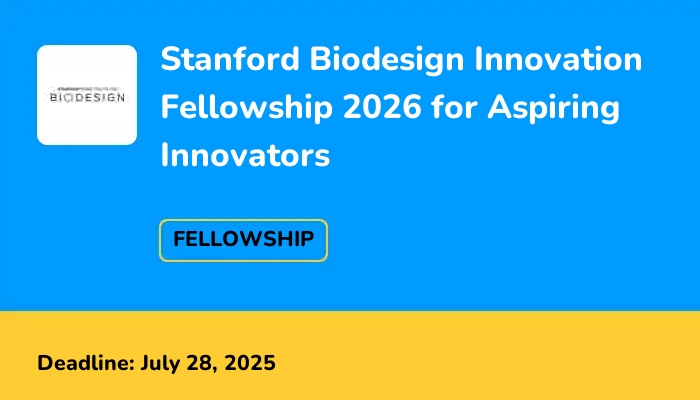
I remember the exact moment the idea first sparked. It was a drizzly Tuesday afternoon, and I was staring at a pile of discarded electronics, thinking about all the potential still locked inside them, just waiting to be repurposed. The thought wasn’t new, but that day, something clicked. I saw not just a problem—electronic waste—but a solution, a circular system, a community project. The only catch? I had the passion, the vision, and a notebook full of sketches, but absolutely no idea how to turn it into reality. Resources, funding, mentorship—these felt like distant stars in my universe of fledgling dreams.
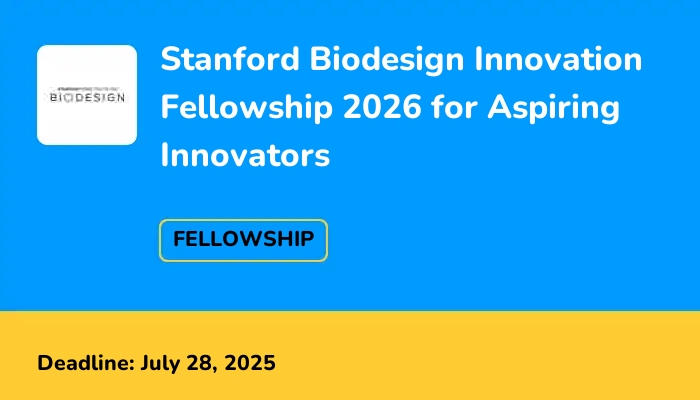
That’s when I stumbled upon it: the "Scholarship For Innovators." The name itself felt like a direct answer to my silent prayers. It wasn’t just another academic grant; it was specifically designed for people like me, who had an unconventional idea burning a hole in their minds, an idea that aimed to solve a real-world problem. It wasn’t about grades alone; it was about grit, originality, and the potential for impact. Discovering it felt like finding a secret map to a treasure I didn’t even know existed.
My initial reaction was a mix of exhilaration and daunting fear. Could my idea, my humble vision, truly stand a chance against what I imagined would be a sea of brilliant, well-funded projects? The scholarship description talked about "bold thinkers," "pioneering solutions," and "transformative change." My project, at that stage, felt more like a hopeful whisper. But the more I read, the more I understood its essence: it wasn’t looking for perfection, but for potential. It sought the spark, the drive, the genuine desire to make a difference. And that, I realized, I definitely had.
The application process became a journey in itself, a forced introspection that solidified my resolve. The first step was to deeply understand the eligibility criteria. They were clear: you needed a tangible project, a clear problem statement, a proposed solution, and a vision for its impact. It wasn’t enough to just have an idea; you had to articulate it, defend it, and show how it could grow. This forced me to move beyond my notebook sketches and start structuring my thoughts into a coherent plan.
Next came the infamous personal statement or essay. This wasn’t about recounting my life story; it was about weaving a narrative around my innovation. I had to explain why this problem mattered to me, what personal experiences fueled my passion, and how my unique perspective shaped my solution. I wrote about that drizzly Tuesday, about the overwhelming feeling of waste, and the quiet satisfaction of imagining new life for old things. I focused on vulnerability and authenticity, sharing not just my project’s potential, but my own journey of discovery and dedication. I made sure to emphasize the societal benefit, explaining how my project could create a sustainable cycle, provide educational opportunities, and foster community engagement.
Then came the heart of the application: the project proposal. This was where the rubber met the road. I had to outline my innovation in detail: its objectives, methodology, timeline, required resources, and anticipated outcomes. I spent weeks refining this section, seeking feedback from mentors and friends, even people who knew nothing about electronics, to ensure my explanation was clear and compelling. I learned that making an innovation stand out wasn’t just about its technical brilliance, but about its story. How original was it? Could it scale beyond my immediate community? What specific problem did it solve, and how was my approach different from existing solutions? I broke down my vision into manageable phases, showing a realistic path from concept to implementation, highlighting the potential for both environmental and social impact. I emphasized the project’s unique combination of technology, education, and community building, showcasing how it went beyond a simple recycling initiative.
Gathering recommendation letters was another crucial step. I approached two individuals who knew my work ethic and my passion for problem-solving: a former teacher who had seen my early tinkering projects, and a local community leader who was aware of my nascent efforts to organize clean-up drives. I provided them with a clear summary of my project and the scholarship’s goals, making it easier for them to write specific, impactful letters that spoke to my character, determination, and innovative spirit. Their belief in me, articulated in their letters, felt like an external validation that boosted my own confidence.
The application period was intense, a whirlwind of writing, revising, and double-checking. After submitting, there was the agonizing waiting game. Every email notification sent a jolt through me. Then, one afternoon, an email arrived—an invitation for an interview. This was it, the chance to bring my project to life, not just on paper, but in person.
The interview was less of an interrogation and more of a conversation. The panel of judges wasn’t trying to trip me up; they genuinely wanted to understand my vision, my thought process, and my commitment. I remember feeling nervous, but also incredibly excited. I spoke about the challenges I anticipated, the lessons I’d already learned, and my unwavering belief in the project’s ability to make a tangible difference. I didn’t just talk about my idea; I talked about the people it would help, the planet it would benefit, and the future I envisioned. I showed them my enthusiasm, my readiness to learn, and my capacity to adapt. They asked tough questions about scalability and sustainability, but I had prepared by thinking through potential pitfalls and having contingency plans. It wasn’t about having all the answers, but about demonstrating a thoughtful, problem-solving mindset.
When the acceptance letter finally landed in my inbox, I don’t think I’ve ever felt such a potent mix of relief, joy, and profound gratitude. The "Scholarship For Innovators" wasn’t just a financial award; it was an affirmation. It meant someone believed in my idea enough to invest in it, to invest in me.
Life as a "Scholar For Innovators" was nothing short of transformative. The financial aid was, of course, a huge weight lifted. It allowed me to dedicate my time fully to the project, freeing me from the constant worry of how to fund my basic needs or purchase essential components for my prototype. But the money, as significant as it was, was only one piece of the puzzle.
What truly amplified my journey was the mentorship. I was paired with an experienced innovator, someone who had navigated the tricky waters of bringing a new idea to market and scaling it. My mentor wasn’t just a guide; they were a sounding board, a critic, and my biggest cheerleader. They helped me refine my project’s technical aspects, strategize its outreach, and even helped me navigate bureaucratic hurdles I hadn’t even considered. Their insights were invaluable, helping me avoid common pitfalls and accelerating my learning curve exponentially. They pushed me to think bigger, to consider long-term implications, and to always stay true to the core mission of my innovation.
The scholarship also opened doors to an incredible networking ecosystem. I was introduced to other scholars, each with their own groundbreaking projects, creating a vibrant community of like-minded individuals. We shared challenges, celebrated small victories, and brainstormed solutions together. This peer network was a constant source of inspiration and practical advice. Beyond the scholars, I gained access to industry leaders, potential partners, and experts in various fields through exclusive workshops and events organized by the scholarship program. These connections were gold, providing opportunities for collaboration and exposure that I could never have achieved on my own.
The resources provided were equally vital. I gained access to specialized labs, software licenses, and research materials that were previously out of my reach. The program also offered a series of tailored workshops on everything from intellectual property and business modeling to public speaking and impact assessment. These weren’t just theoretical lectures; they were hands-on sessions designed to equip us with the practical skills needed to launch and sustain our innovations. Learning how to pitch my project effectively, how to measure its impact, and how to protect my intellectual property were critical skills I developed during this period.
My project, which started as sketches and a dream, began to take tangible shape. With the resources and guidance, I moved from a proof-of-concept to a working prototype. We developed a system to efficiently sort and repurpose electronic components, creating not just recycled materials, but also educational kits for local schools. The idea of turning old circuit boards into learning tools for young aspiring engineers felt incredibly rewarding. The scholarship allowed me to hire a few part-time assistants, transforming my solo endeavor into a small, dedicated team.
Of course, it wasn’t always smooth sailing. There were moments of frustration, technical glitches, and setbacks. There were days when the sheer complexity of bringing an innovation to life felt overwhelming. But every time I faced a hurdle, I remembered the belief that the "Scholarship For Innovators" had placed in me. My mentor’s advice, my peers’ encouragement, and the program’s support system kept me going. I learned the true meaning of resilience, the importance of iterative design, and the power of collaborative problem-solving. Each challenge became an opportunity to learn, adapt, and refine my approach.
The impact of my project started small, within my local community. We began holding workshops in schools, teaching children about electronic waste and how to creatively reuse components. The joy on their faces as they built simple robots or circuits from repurposed parts was infectious. We also partnered with local businesses to collect their e-waste, diverting tons of material from landfills and transforming it into valuable resources. The project created a ripple effect, inspiring others in the community to think more sustainably and creatively.
Now, looking back, the "Scholarship For Innovators" wasn’t just a scholarship; it was a launchpad. It didn’t just fund an idea; it nurtured a vision and empowered an individual. My project has grown beyond my initial scope, establishing partnerships with larger educational institutions and even attracting interest from regional environmental organizations. We’re now exploring ways to scale our educational kits nationally and replicate our e-waste management model in other cities. The legacy of the scholarship for me is not just the success of my project, but the fundamental shift it created in my own capabilities and confidence. It taught me that innovation isn’t just about big breakthroughs; it’s about persistent effort, continuous learning, and a relentless commitment to solving problems.
For anyone out there with an idea, a burning desire to create something new, something better, something that makes a difference—listen closely. The "Scholarship For Innovators" is out there, and opportunities like it are waiting to be discovered. Don’t let the fear of inadequacy stop you. Your idea might feel small, unpolished, or even a little crazy, but remember that every great innovation started as a spark.
Here’s my advice for future applicants, distilled from my own journey:
First, know your "why." Beyond the technical details of your project, be able to articulate why this problem matters to you personally, and why your solution is necessary. Your passion and conviction are your most powerful assets.
Second, be clear and concise. While depth is important, clarity is king. Can someone who knows nothing about your field understand your idea, its problem, and its solution within a few sentences? Practice explaining it simply.
Third, focus on impact. How will your innovation change things for the better? Who will it benefit? Quantify the potential impact if you can, but also tell the story of the human or environmental difference it will make. The "Scholarship For Innovators" isn’t just about novelty; it’s about meaningful contribution.
Fourth, show, don’t just tell. If you have a prototype, sketches, or even early research data, include it. Visuals can speak volumes. Even if your project is purely conceptual, describe its functionality and potential with vivid detail.
Fifth, seek feedback relentlessly. Before you submit anything, have trusted friends, mentors, or even strangers review your application. A fresh pair of eyes can catch ambiguities or strengthen your arguments. Be open to constructive criticism.
Sixth, demonstrate resilience and a learning mindset. The judges aren’t looking for someone who has all the answers, but someone who can learn, adapt, and persevere through challenges. Share instances where you’ve overcome obstacles in your past.
Finally, believe in your idea. There will be moments of doubt, but your conviction will shine through in your application. The "Scholarship For Innovators" seeks individuals who are not just clever, but also deeply committed. It’s an investment in your potential, and your belief in yourself is the first step.
The path of an innovator is rarely straight or easy, but with the right support, like that offered by the "Scholarship For Innovators," it can lead to unimaginable discoveries and profound impact. My journey is a testament to that. So, if you have an idea that keeps you up at night, an urge to build something new, or a solution to a problem that others might overlook, don’t hesitate. Explore these opportunities. Your innovation might just be the next one to change the world, and a scholarship designed for innovators could be the very thing that helps you light the way. Go forth, create, and make your mark.