 11
11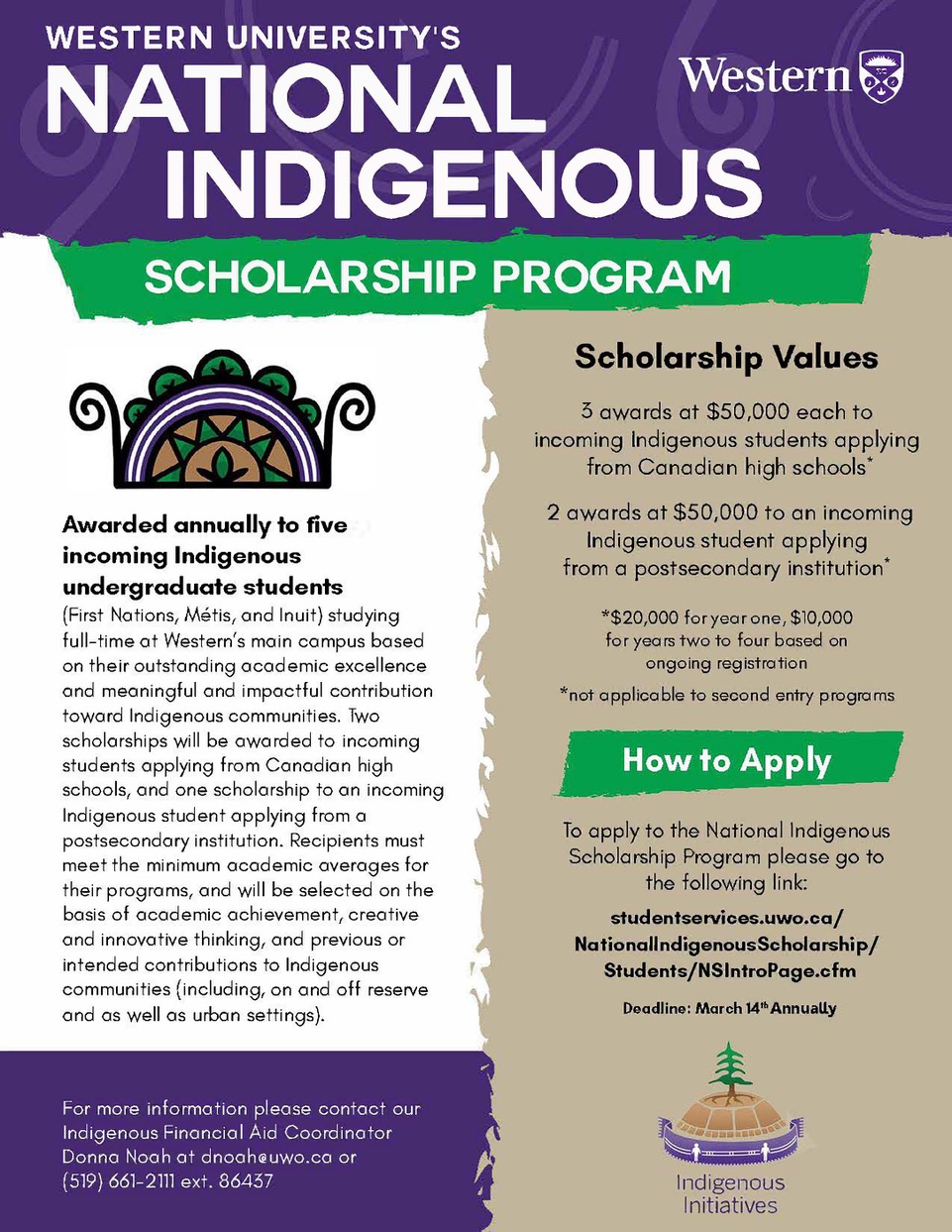
I remember a time, not so long ago, when the idea of higher education felt like a distant, shimmering mirage. Growing up in a community rich with stories, traditions, and the wisdom of our elders, the world beyond our borders often felt both exciting and intimidating. Many of us dreamed of going to college, of learning new things, and bringing that knowledge back home to help our people flourish. But for many, especially for Indigenous students like us, there was always this heavy question hanging in the air: how? How would we pay for it? How would we navigate a system that often felt foreign?
I watched friends and cousins, bright-eyed and full of potential, hesitate at the brink of applying to universities. The cost alone was a massive wall. Textbooks, tuition fees, living expenses – it all added up to a sum that seemed insurmountable for most families in our community. I recall my cousin, Maya, a brilliant artist with a mind for engineering, almost giving up on her dream of studying architecture. She’d spend hours sketching intricate designs, her hands moving with a purpose I admired deeply. But every time we talked about university applications, a shadow would cross her face. "It’s too much," she’d sigh, "We can’t afford it."
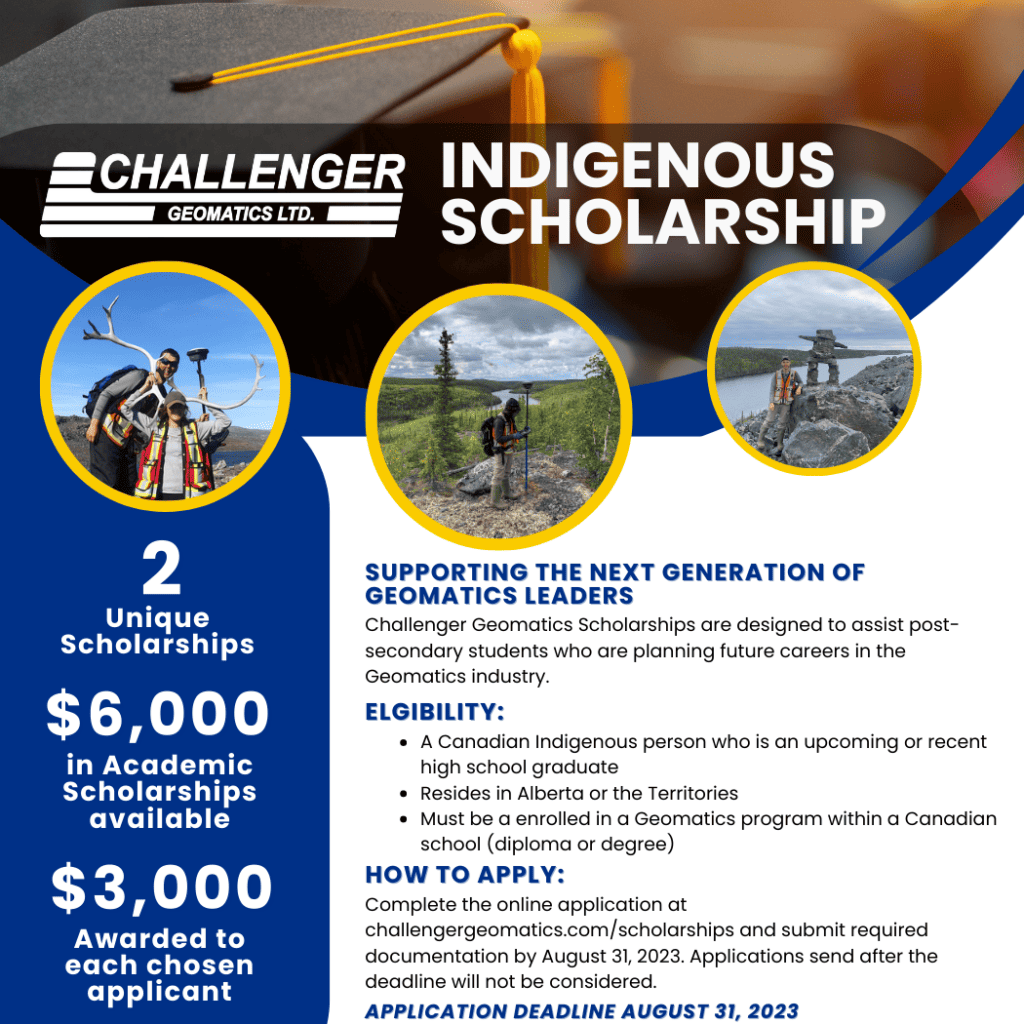
This is where the idea of a scholarship for Indigenous students started to become more than just a whispered hope; it began to feel like a real possibility. I first heard about specific Indigenous education scholarships from an elder who had, against all odds in his youth, managed to get an education and return to serve our community as a lawyer. He spoke of programs designed not just to cover costs, but to support our journey as Indigenous people in academic spaces. He emphasized that these weren’t handouts, but investments – investments in us, in our futures, and in the strength of our communities.
The elder’s words lit a spark in Maya. We started looking into these opportunities together. It was a bit like finding a hidden trail in a dense forest. At first, it seemed confusing. So many different scholarships, each with its own requirements. Some were for specific fields of study, like nursing or environmental science, aiming to address particular needs in Indigenous communities. Others were broader, supporting any Indigenous student pursuing a degree. There were scholarships funded by tribal nations themselves, by government programs, by universities eager to diversify their student body, and by private foundations dedicated to supporting Indigenous achievement.
What we quickly learned was that these Indigenous scholarships weren’t just about financial aid. They often came with a layer of understanding and support that felt truly different. Many programs acknowledged the unique challenges Indigenous students face – the cultural adjustment, the potential for feeling isolated, and the responsibility many of us feel to our families and communities while pursuing individual goals. Some even offered mentorship programs, connecting students with Indigenous professionals or academics who had walked similar paths. This was a huge comfort, knowing there might be someone who "gets it" on the other side.
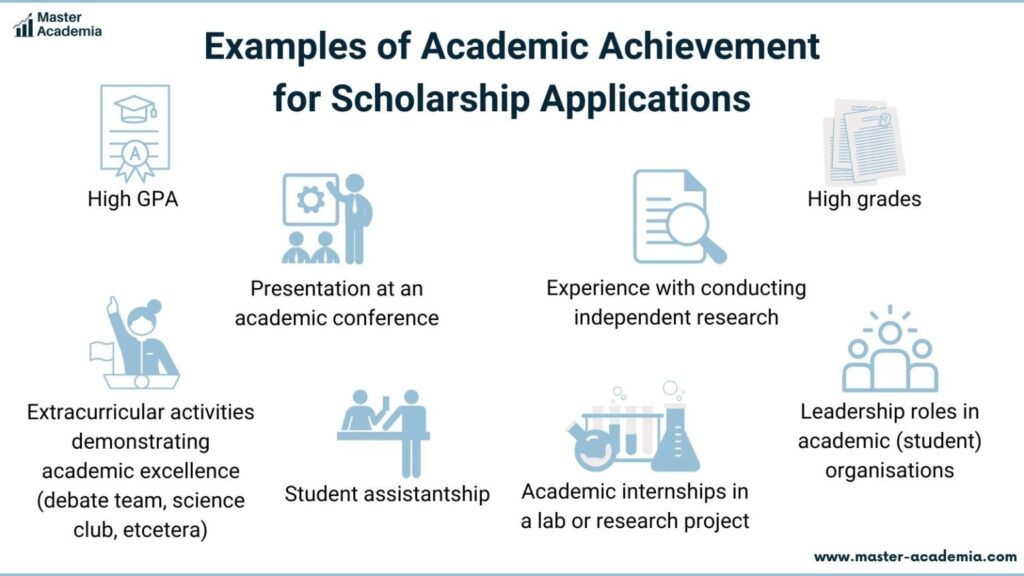
The application process, while requiring effort, became less intimidating once we broke it down. For Maya, the key steps included proving her Indigenous heritage – usually through tribal enrollment or documentation from her family line. This is a fundamental requirement for most scholarships for Indigenous students. Then came the academic side: transcripts, letters of recommendation from teachers or community leaders who knew her well, and often, a personal essay.
The personal essay was where Maya truly shone. She wrote about her grandmother’s teachings, how they inspired her love for design and sustainable living, and how she envisioned using architecture to build homes and community spaces that honored our traditions and respected the land. This wasn’t just an essay; it was a story, her story, infused with her identity and aspirations. I remember her wrestling with the words, wanting them to be just right, to convey not just her academic potential but her spirit and her commitment to our people. Many of these scholarship committees aren’t just looking for top grades; they’re looking for individuals who will contribute meaningfully to their communities, who carry their culture with pride, and who embody resilience.
We found that deadlines were crucial. Missing a deadline meant missing an opportunity. So we created a calendar, marking down every scholarship Maya applied for, along with its specific requirements and due date. It was a lot of paperwork, a lot of scanning documents and writing emails, but every step felt like moving closer to that mirage becoming real.
Eventually, the letters started arriving. There were a few rejections, which stung, but Maya didn’t let them deter her. She kept applying, kept refining her essays, and kept her hope alive. Then, one afternoon, an acceptance letter arrived from a prestigious university, accompanied by a separate envelope. Inside was an offer for a substantial scholarship specifically for Indigenous students. The relief and joy that washed over her, and indeed our whole family, was palpable. It wasn’t just money; it was validation. It was an affirmation that her dreams mattered, and that there were people and institutions out there willing to invest in them.
Maya’s journey became a powerful example for others in our community. She went off to university, initially feeling a bit overwhelmed by the sheer size of the campus and the different pace of life. But she quickly sought out the Indigenous student support center, a resource often funded or supported by these very scholarships. There, she found a community of fellow Indigenous students, mentors, and cultural programs that helped her stay grounded. She participated in smudge ceremonies, joined a Native American student association, and even helped organize cultural events on campus. These experiences were vital for her well-being and her ability to thrive academically. The scholarship didn’t just pay her tuition; it facilitated her connection to a larger Indigenous network, preventing her from feeling truly alone.
Watching Maya, I realized that these scholarships for Indigenous students are truly multifaceted. They address the financial burden, yes, but they also tackle the less obvious barriers. They help bridge the cultural gap by acknowledging and celebrating Indigenous identities. They foster a sense of belonging in environments that might otherwise feel alienating. They create pathways for cultural preservation by encouraging students to bring their unique perspectives and knowledge to their fields of study. Imagine an Indigenous architect designing buildings that honor traditional ecological knowledge, or an Indigenous doctor understanding the specific health needs and cultural practices of their patients. This is the ripple effect.
I’ve heard stories from others who benefited from similar programs. A young man named Thomas, from a different tribe, received a scholarship to study environmental law. He told me how he plans to use his degree to advocate for his people’s land rights and protect sacred sites from industrial exploitation. He spoke with such passion, explaining how his education wasn’t just for himself, but for the seven generations yet to come, a concept deeply ingrained in many Indigenous philosophies. His scholarship wasn’t just a grant; it was a tool for justice.
Another woman, Sarah, a mother of two, was able to return to university to pursue a nursing degree thanks to a scholarship for Indigenous women. She spoke about the challenge of balancing family life with her studies, but the financial support eased the pressure considerably. She now works in a community health clinic on her reservation, providing culturally sensitive care and inspiring other young women to pursue healthcare careers. These stories underscore a fundamental truth: investing in Indigenous education is investing in the well-being and self-determination of entire communities.
For anyone out there, especially young Indigenous people or their families, who might be reading this and feeling that familiar sense of doubt or hopelessness about funding higher education, please know this: the opportunities are out there. It might take some digging, some perseverance, and a bit of courage to put your story on paper, but it is absolutely worth it. Don’t let the initial complexity scare you away. Think of it as a journey, a quest to unlock your potential.
Start by looking locally. Your tribal nation might have its own scholarship programs or educational assistance funds. Many Indigenous organizations at the national or regional level also offer scholarships. Universities themselves often have dedicated programs for Indigenous students, sometimes even waiving application fees or providing additional support services. Government agencies also play a role, with programs designed to support Native American, First Nations, Aboriginal, and Torres Strait Islander students, depending on your region.
When you’re searching, use specific terms. Don’t just type "scholarship." Try "Native American scholarships," "First Nations scholarships Canada," "Aboriginal student grants Australia," "Indigenous higher education funding," or "tribal college scholarships." The more specific you are, the better your chances of finding programs tailored to your background and aspirations.
And don’t forget the power of your story. These scholarship committees want to hear who you are, what drives you, and how you envision making a difference. Your cultural background, your connection to your community, your experiences – these are not just details; they are strengths. They are what make you unique and valuable. Share them proudly.
I’ve learned that pursuing higher education as an Indigenous student isn’t just about personal advancement; it’s an act of cultural revitalization. Every Indigenous graduate who returns to their community, or who works to advocate for Indigenous rights and knowledge in the broader world, strengthens our collective future. They become role models, leaders, and keepers of knowledge, blending traditional wisdom with contemporary skills.
So, if you’re standing at that crossroads, wondering if a scholarship for Indigenous students could be your path, take that first step. Reach out, ask questions, start researching. Don’t let the fear of the unknown hold you back from a future that is not only possible but waiting for you. Maya’s success, and the success of countless others, is a testament to the fact that these doors are open, and there are people ready to help you walk through them. Your education isn’t just for you; it’s for all of us.