 11
11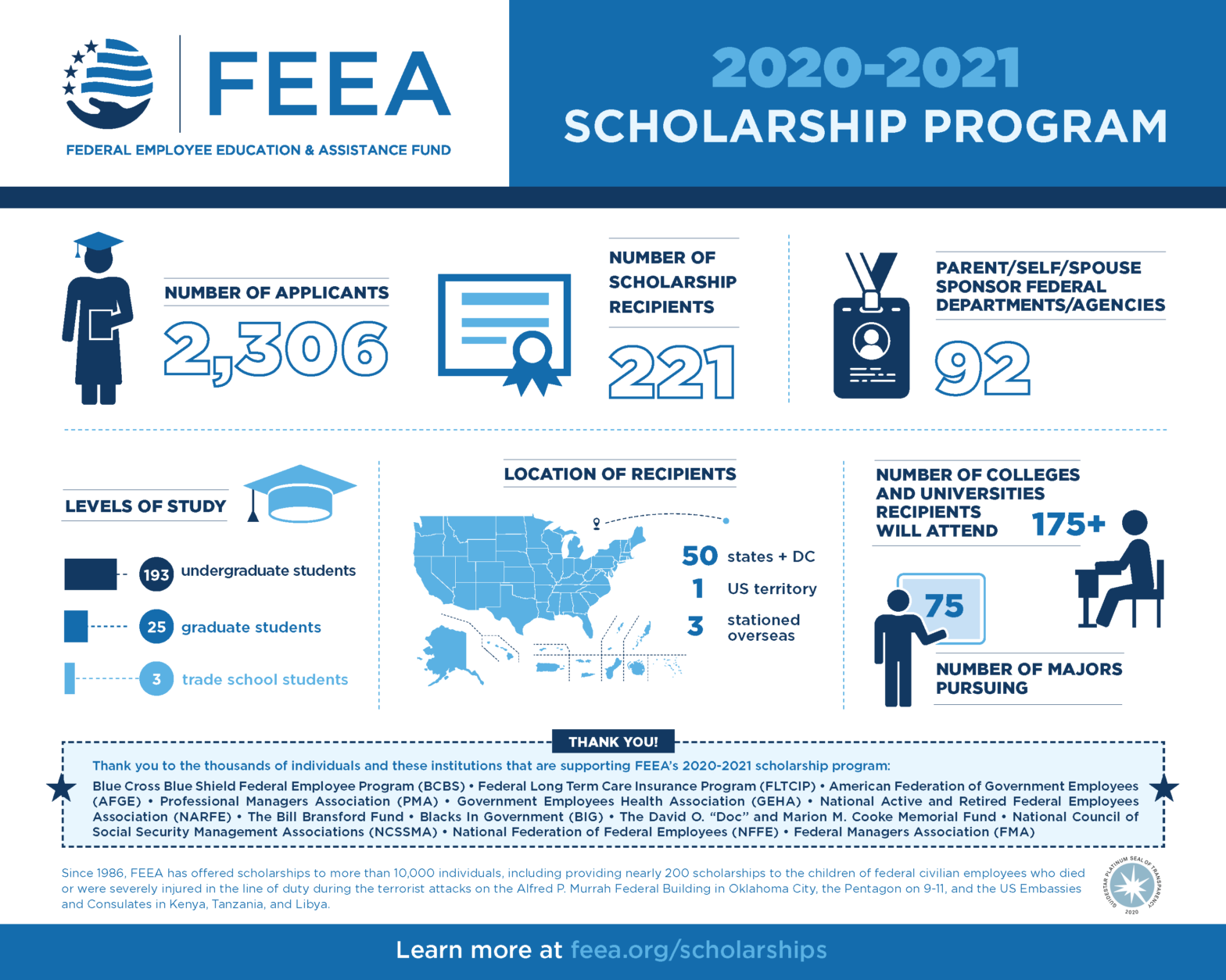
I remember it like it was yesterday, the hum of the old fluorescent lights in my cubicle, the stack of reports on my desk, and a quiet, persistent yearning in my heart. I was a civil servant, proud of my work, dedicated to public service, but there was a part of me that felt a little stagnant, a little… unfinished. I dreamt of further education, of diving deeper into policy analysis, of understanding the intricate gears that make our communities tick, but the thought of tuition fees was a brick wall. It wasn’t just a wall; it was a fortress, guarded by the dragons of student loans and the specter of financial strain. My salary, while stable, wasn’t exactly screaming "luxury master’s degree."
For a long time, I just accepted it. This was my path, and that other, more academic path, was for others, for those without the responsibilities I carried. But then, a casual conversation changed everything. I was grabbing coffee with an older colleague, a woman named Maria who had always struck me as remarkably sharp and insightful. I mentioned, almost as an aside, my long-held academic dreams, sighing about the impossibility of it all. Maria just smiled, a knowing, gentle smile. "Have you looked into scholarships for government employees, dear?" she asked.
My first thought was, "Such a thing exists?" It sounded too good to be true. Like finding a secret garden in the middle of a bustling city. I had always assumed scholarships were for fresh-faced undergraduates, or brilliant young scientists, or artists with portfolios bursting with genius. Not for someone like me, already entrenched in a career, already paying taxes. But Maria insisted, "Our agency, and many others, actually encourage it. They want us to grow, to bring new knowledge back to the fold."
That conversation was the spark. It ignited a fire I thought had long since dwindled to embers. I went home that evening, not to my usual routine, but to my laptop, a cup of tea, and a newfound mission. The internet, as it often does, became my rabbit hole. I typed in "scholarship for government employees," and a world I never knew existed began to unfurl before my eyes.
It wasn’t an overnight discovery; it was a gradual revelation. I learned that governments, at various levels – federal, state, and even local – often invest in their own people. Why? Because a better-educated workforce means better public service. It means more innovative solutions, more efficient processes, and ultimately, a stronger society. They weren’t just being altruistic; they were being strategic. They wanted us to become more effective, more skilled, more capable leaders.
My initial search was a bit overwhelming. There were so many terms: tuition assistance, professional development grants, fellowships, sponsored programs. Each agency seemed to have its own flavor of support. Some were quite formal, requiring applications that felt as weighty as a doctoral dissertation. Others were simpler, almost like a direct reimbursement program for approved courses. I started by looking within my own agency first, because Maria had hinted at it. Lo and behold, buried deep within the HR intranet, under a tab I’d never bothered to click before, was a small section detailing their "Employee Advancement Program."
It wasn’t a full ride, not exactly. It was a partial tuition reimbursement, but it was significant. Enough to make a substantial dent in the cost of a master’s degree at a state university. The catch, as there always is, was a service agreement. I would need to commit to staying with the agency for a certain number of years after completing my studies. This felt less like a catch and more like a fair exchange. They invested in me, and I invested back in them with my enhanced skills. It was a win-win.
But I didn’t stop there. Maria’s words echoed in my mind: "many others." I broadened my search. I looked at professional organizations related to my field – public administration, urban planning, environmental policy. Many of these organizations, funded by foundations or membership dues, offered scholarships specifically for professionals looking to advance their education, often with a focus on public service leadership. Some were for specific demographics, like women in leadership or minorities pursuing advanced degrees. Others were tied to specific research interests.
The application process became a project in itself. It wasn’t just filling out forms. Each scholarship had its own personality, its own requirements. Some asked for lengthy essays detailing my career aspirations and how the degree would benefit public service. These essays were particularly challenging but also incredibly rewarding. They forced me to articulate my passion, to connect my daily work to a larger vision, to truly reflect on why I wanted this so badly. I wrote about the frustration of encountering systemic issues and my desire to gain the tools to dismantle them, one well-researched policy at a time. I wrote about the satisfaction of seeing a community thrive because of thoughtful planning.
Then there were the recommendation letters. This was a nervous step. Asking supervisors and colleagues to vouch for your academic potential and work ethic felt like putting myself on display. But the response was overwhelmingly positive. My supervisors, it turned out, were thrilled that I was pursuing further education. They saw it as a testament to my dedication and a future asset to the team. Their letters spoke of my reliability, my analytical skills, and my potential for leadership. It was incredibly validating to read their words.
Transcripts, résumés, project portfolios – each piece of paper felt like a puzzle piece contributing to a larger picture of who I was and what I hoped to become. The biggest challenge wasn’t the paperwork itself, but finding the time. I was working full-time, managing my responsibilities, and then coming home to dedicate hours to research and writing. There were evenings when I felt utterly drained, when the thought of staring at another application form made my eyes glaze over. But the image of Maria’s gentle smile, and the dream of a more fulfilling professional life, kept me going.
Finally, after months of diligent searching and careful application crafting, the first acceptance letter arrived. It wasn’t from my agency, but from a national foundation dedicated to supporting public sector leaders. My heart hammered against my ribs when I saw the envelope. Opening it, reading the words "We are pleased to inform you…" felt like winning the lottery, but a lottery of intellectual growth and professional validation. It was a partial scholarship, but combined with my agency’s reimbursement, it made my dream financially attainable.
The journey didn’t end with the acceptance letter; it truly began. Balancing a full-time job with graduate studies was a marathon, not a sprint. My evenings and weekends were no longer just for relaxation; they were for reading, for writing, for group projects, for discussions. There were moments of doubt, moments of exhaustion, moments where I wondered if I’d bitten off more than I could chew. But every time I learned something new, every time a concept clicked into place, every time I saw a direct connection between my coursework and the challenges I faced at work, I knew it was worth it.
My perspective at work began to shift. I started seeing problems not just as obstacles, but as case studies. My understanding of policy, economics, and organizational behavior deepened, making me a more effective contributor to my team. I found myself approaching tasks with a fresh analytical lens, able to identify nuances and propose solutions that I wouldn’t have considered before. My communication skills improved, my critical thinking sharpened, and my confidence soared.
One of the most unexpected benefits was the network I built. My fellow students came from diverse backgrounds – other government agencies, non-profits, private companies – and our discussions were rich with varied perspectives. I met professors who were not just academics but also seasoned practitioners, sharing real-world insights that were invaluable. This network became a source of mentorship, collaboration, and lifelong friendships.
For any government employee out there reading this, feeling that same quiet yearning I once did, please know this: the opportunities are out there. They might not be shouting from the rooftops, but they exist, waiting to be discovered. Here’s what I learned along my journey, lessons I hope can light your path:
First, start with your own organization. HR departments, internal training divisions, or even just asking a seasoned colleague like Maria, can often point you to internal programs. These are often the most accessible and tailored to your specific work environment. Many agencies have specific funds set aside for employee development, whether it’s for short courses, certifications, or full degree programs.
Second, expand your search to professional associations. Whatever your field – urban planning, public health, environmental protection, IT – there’s likely a professional body that supports its members’ growth. These associations often have dedicated scholarship programs, sometimes funded by industry partners or philanthropic efforts, specifically for those working in the public sector or related fields.
Third, look at universities and colleges themselves. Many institutions, especially those with strong public administration or policy programs, offer specific fellowships or scholarships for government employees. Sometimes, they even partner directly with local or federal agencies. Don’t be afraid to reach out to their admissions departments or program coordinators. You might find a scholarship specifically designed to attract experienced professionals like yourself.
Fourth, don’t underestimate private foundations and non-profits. There are countless organizations with missions aligned to public service, leadership development, or specific social causes. A quick search for "public service scholarships" or "government employee grants" might reveal unexpected opportunities from these groups. They often seek to invest in individuals who can bring about positive change in their communities.
When it comes to the application itself, be authentic and specific. Don’t just list your achievements; tell a story. What challenges have you faced? How has your public service shaped you? What specific skills do you hope to gain, and how will those skills directly benefit the public you serve? Connect the dots between your past, your present aspirations, and your future impact. The review committees want to see passion, dedication, and a clear vision. They want to know you’re not just chasing a degree, but truly seeking to make a difference.
Secure strong recommendation letters. Choose individuals who know your work ethic, your character, and your potential well. Give them ample time and provide them with information about the scholarship and your goals. A heartfelt, specific recommendation carries far more weight than a generic one.
Be meticulous with your application. Proofread everything. Ensure all required documents are submitted correctly and on time. A sloppy application can undermine even the most compelling personal statement. It reflects on your attention to detail, a quality highly valued in public service.
Finally, don’t be discouraged by rejection. I received several "no" letters before I got my "yes." Each rejection was a chance to refine my approach, to strengthen my essays, to seek out different opportunities. The journey is often filled with twists and turns, but persistence is key. Think of it as another form of public service: you are serving your future self, and through that, you will better serve your community.
My own journey through higher education, funded significantly by scholarships for government employees, transformed my career. I returned to my agency not just with a new degree, but with a renewed sense of purpose, a broader skill set, and a network of incredible colleagues and mentors. I was able to take on new responsibilities, contribute to more complex projects, and even mentor junior staff, sharing the knowledge and perspective I had gained.
The quiet hum of the fluorescent lights in my cubicle still exists, but now it’s accompanied by a different kind of hum within me – a hum of intellectual curiosity, professional growth, and deep satisfaction. The brick wall I once saw has been dismantled, piece by piece, by the generous hands of scholarship providers who believe in the power of public service and the potential of its dedicated employees. If you’re a government employee dreaming of that next step, don’t let financial fears hold you back. The secret garden is there, waiting for you to discover its gates. All it takes is a little curiosity, a lot of persistence, and the courage to knock.