 11
11
The ocean, for me, was never just a body of water. It was a boundless canvas of mystery, a thrumming heart of life, and a whispering siren call that echoed deep within my soul since I was a child. I remember spending countless hours poring over nature documentaries, my eyes wide with wonder at the vibrant coral reefs, the majestic whales, and the intricate dance of marine life beneath the surface. My dream, crystal clear and unwavering, was to become a marine biologist. I wanted to be out there, discovering, protecting, and understanding the silent, blue world. But as I grew older, a more pragmatic, less romantic reality began to surface: the cost of turning that dream into a tangible career. University tuition, living expenses, field study equipment – it all added up to a formidable wave that threatened to capsize my aspirations before they even left the harbor.
That’s when I first heard whispers of scholarships. Not just any scholarships, but specific avenues of funding for marine biology students. At first, the idea seemed daunting. I imagined legions of brilliant, well-connected students vying for a handful of coveted spots. But the ocean had taught me perseverance, the way a small wave keeps pushing until it carves a path through the sand. I knew I had to try. This wasn’t just about money; it was about finding a way to contribute to the world, to be a voice for the voiceless wonders of the deep.
My journey began in my senior year of high school, a time filled with nervous excitement and endless applications. I started by doing what any aspiring explorer would do: research. I dove headfirst into university websites, government funding portals, and the online presence of various environmental organizations. I learned that scholarships for marine biology weren’t a myth; they were a vast, intricate network waiting to be untangled. There were scholarships offered by individual universities trying to attract top talent, grants from federal agencies supporting scientific research, and specialized funds from non-profits dedicated to ocean conservation. It was like discovering a hidden reef, full of potential.
One of the first things I realized was the sheer variety. Some scholarships were merit-based, rewarding strong academic performance. Others were need-based, designed to help students from lower-income backgrounds. Then there were those that sought to encourage diversity in science, or specifically supported students interested in particular areas like coral reef ecology, fisheries management, or oceanography. This was good news, as it meant I didn’t have to fit one single mold. My passion for studying microplastics, for instance, might be a perfect match for a specific research-focused grant.
The application process itself felt like navigating a complex current. Each scholarship had its own requirements, its own deadlines, and its own unique essay prompt. I remember spending weeks crafting my personal statement for one particular scholarship, pouring my heart onto the page. I wrote about the time I volunteered at a local aquarium, helping to rehabilitate injured sea turtles, and the profound connection I felt when I looked into their ancient, wise eyes. I shared my vision for a future where sustainable practices ensured the health of our oceans for generations to come. It wasn’t just about listing achievements; it was about telling my story, demonstrating my genuine passion, and explaining why I was the right person to receive that vital support.
Beyond the essays, there were transcripts, letters of recommendation, and sometimes even interviews. Choosing who to ask for recommendation letters was crucial. I approached my biology teacher, who had always encouraged my scientific curiosity, and the supervisor from my volunteer work at the aquarium. I made sure to give them plenty of time, providing them with a copy of my resume and a brief explanation of why I was applying for these specific marine biology scholarships. Their words, I knew, would carry weight, validating my commitment and potential.
The waiting period after submitting applications was perhaps the hardest part. It was a mixture of hope and anxiety, like waiting for the tide to turn. There were rejections, of course. Those stung, feeling like small setbacks on a long voyage. But I learned to view each rejection not as a failure, but as a lesson, a chance to refine my approach for the next opportunity. It was a reminder that this path required resilience, much like the ocean itself.
Then, one crisp autumn morning, an email landed in my inbox. It wasn’t a rejection. It was an acceptance, a notification that I had been awarded a significant scholarship specifically for students pursuing marine science. I remember the surge of relief, the feeling of a heavy weight lifting from my shoulders. It was more than just financial aid; it was an affirmation. Someone believed in my dream, enough to invest in it. This particular scholarship, funded by a philanthropic organization dedicated to ocean health, was a lifeline. It covered a substantial portion of my tuition, allowing me to focus on my studies rather than constantly worrying about accumulating debt.
This wasn’t the only funding I secured. Over time, I learned that a mosaic of smaller scholarships could be just as impactful as one large one. I received a small grant from a local diving club that supported young people interested in underwater conservation. Another came from my university’s biology department, recognizing my academic achievements. These smaller contributions, though individually modest, collectively formed a robust financial safety net that allowed me to truly immerse myself in my education.
The impact of these marine biology scholarships extended far beyond just paying for classes. They opened doors to experiences I might never have had. With reduced financial pressure, I could afford to participate in a summer field program studying marine ecosystems in a remote coastal region. It was there, wading through mangroves and snorkeling over vibrant seagrass beds, that I truly felt like a marine biologist. I learned to identify countless species, conduct field surveys, and collect data that contributed to ongoing research projects. These hands-on experiences were invaluable, far more enriching than anything I could learn from a textbook alone.
My scholarship also facilitated networking. The organizations that provided the funding often had events or mentorship programs. I met established marine biologists, researchers, and conservationists who shared their wisdom and offered guidance. These connections were like currents, guiding me towards potential internships and future career paths. I learned about the challenges facing our oceans firsthand, from plastic pollution to climate change, and felt a renewed sense of purpose.
For anyone out there, a beginner like I once was, gazing at the ocean with a heart full of dreams but a mind full of financial worries, here’s what I learned from my journey.
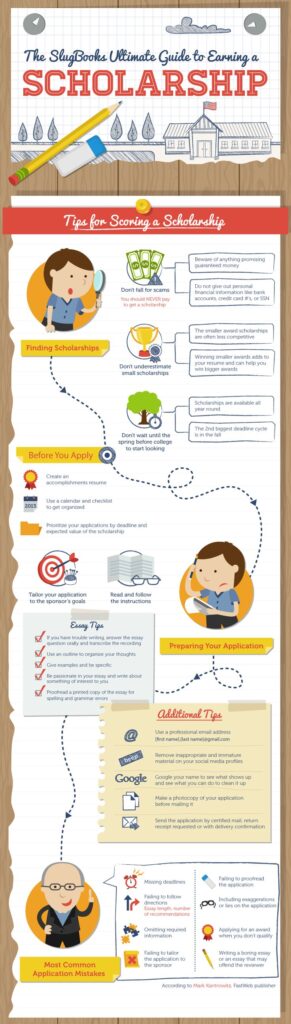
First, start early. The earlier you begin your search for marine biology scholarships, the more time you’ll have to prepare applications, gather materials, and meet deadlines. High school is not too soon to begin exploring options.
Second, be organized and thorough. Create a spreadsheet of potential scholarships, noting eligibility criteria, application requirements, and deadlines. Keep copies of all your essays, resumes, and recommendation letters. Each application is an opportunity, and you want to present your best self every time.
Third, tailor your applications. Don’t just copy and paste. Every scholarship provider has a slightly different mission or focus. Research them, understand what they value, and then articulate how your goals and experiences align with theirs. If a scholarship emphasizes conservation, highlight your volunteer work with environmental groups. If it’s about research, talk about your scientific curiosity and any projects you’ve undertaken.
Fourth, don’t underestimate smaller scholarships. While a full-ride scholarship is a dream, many smaller grants of a few hundred or a few thousand dollars can accumulate to make a significant difference. They are often less competitive and easier to secure. Every bit of funding for marine biology helps.
Fifth, build a strong profile. Academic excellence is important, but so is demonstrating your passion outside the classroom. Volunteer at aquariums, participate in beach clean-ups, join environmental clubs, or even start your own small local conservation initiative. These experiences not only bolster your resume but also provide compelling stories for your essays.
Sixth, seek mentorship and advice. Talk to your teachers, guidance counselors, university professors, and anyone working in marine biology. They often have insights into funding opportunities or can connect you with people who do. Their wisdom can be a guiding star in your search for marine science grants.
Finally, and perhaps most importantly, tell your story authentically. Scholarship committees aren’t just looking at grades; they’re looking for individuals with genuine passion, resilience, and a clear vision for how they will contribute to the field. Let your love for the ocean shine through your words. Explain why a marine biology degree is so important to you, and how this funding will enable you to make a difference.
My scholarship journey was not a smooth sail, but it was incredibly rewarding. It taught me invaluable lessons about persistence, self-advocacy, and the power of believing in oneself. Today, as I continue my work, contributing to vital research on ocean ecosystems, I often look back and think about that initial wave of financial worry. The scholarships I received were more than just money; they were an investment in a future where I could pursue my passion without being burdened by insurmountable debt. They allowed me to dedicate myself fully to understanding and protecting the incredible, life-giving ocean. For any aspiring marine biologist, navigating the vast waters of higher education can feel overwhelming, but remember that there are lifelines out there. With diligent effort and an unwavering heart, you too can find the scholarships that will help you dive deep into your dreams and make your mark on the blue planet. The ocean awaits your curiosity, your dedication, and your unique contribution.