
Scholarship For Orphans: A Journey of Hope and Opportunity
I remember the first time I truly understood the weight of a child’s future, hanging precariously, not because of a lack of talent or ambition, but simply because of circumstances entirely beyond their control. It was in a small, dusty town, a place where the laughter of children often mixed with the quiet hum of struggle. I saw young eyes, bright and full of questions, but also tinged with a weariness that no child should ever carry. These were children who had lost their parents, their anchors in a sometimes-turbulent world. They were orphans, and their path to education, that essential ladder to a better life, often felt blocked by an insurmountable wall.
For so many of these young souls, the dream of sitting in a classroom, of holding a textbook, of learning a skill, seemed like a distant star. Without the warmth of a family home, without the steady hand of a parent, the very idea of school fees, uniforms, and even a simple pencil could feel like an impossible burden. I’ve seen children, no older than ten, take on responsibilities that would overwhelm an adult, sacrificing their childhoods to care for younger siblings or simply to find enough food for the day. Education, for them, wasn’t just a luxury; it was an unattainable dream, often pushed aside by the harsh realities of survival.
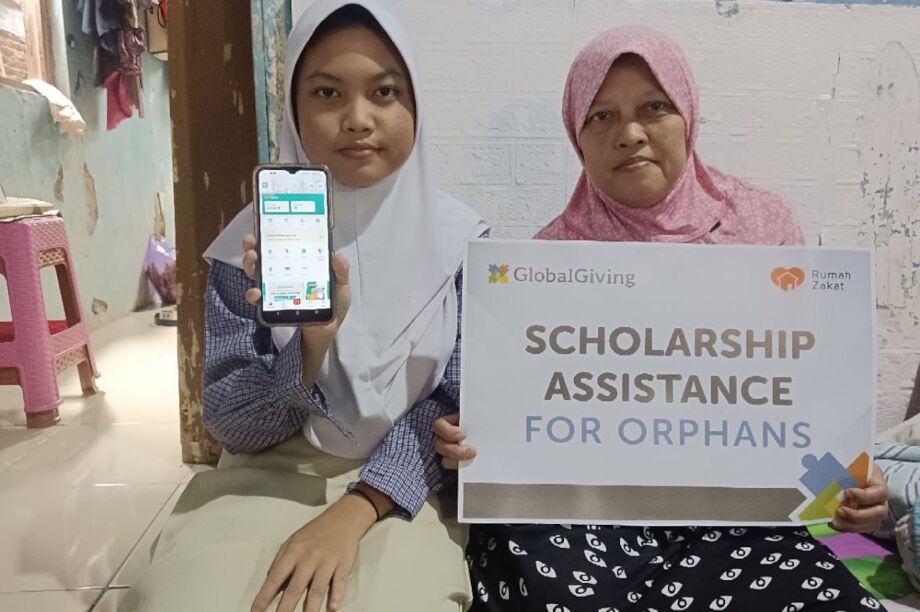
This is where the idea of a scholarship for orphans emerges, not just as a financial aid program, but as a beacon of hope, a powerful promise whispered into the ears of those who need it most. I’ve witnessed firsthand the transformative power of these initiatives. They are more than just money; they are an investment in a life, a belief in potential, and a tangible demonstration that someone, somewhere, cares deeply about their future. It’s a message that says, "Your past does not define your future; your potential does."
I recall a young girl named Anya. She was about twelve when I first met her, living with her grandmother after losing both parents to an illness that swept through their village. Anya was bright, with an insatiable curiosity, always asking questions about the world beyond her village. But her grandmother, a woman whose hands were gnarled from years of hard work, simply couldn’t afford to send her to school. Anya spent her days helping in the fields, her dreams of learning slowly fading like the evening light. Then, a local organization, supported by international donors, introduced a scholarship program specifically for orphans. When Anya received the news that she had been selected, her eyes, usually so serious, lit up with a joy I’ll never forget. It was as if a heavy cloak had been lifted from her shoulders. This wasn’t just tuition money; it was a passport to a different life, a chance to reclaim her childhood and build a future.
These scholarships are designed to address the specific, often unique, challenges faced by orphaned children. It’s not just about covering tuition fees, though that’s a significant part of it. A comprehensive scholarship for orphans often extends to include the cost of textbooks, school supplies, uniforms, and sometimes even a modest living stipend or support for accommodation, especially if the child needs to move to a different town for better schooling. Beyond the financial aspects, many programs understand the emotional and psychological needs of these children. They often provide mentorship, counseling, and a supportive community, recognizing that academic success is often intertwined with emotional well-being. Imagine being a child, having faced so much loss, and then suddenly finding a network of people who believe in you, guide you, and cheer you on. It’s truly life-altering.
The application process for these scholarships can vary, but generally, it involves demonstrating the applicant’s orphaned status, often through official documents or community verification. Academic potential, even if measured through informal assessments for those who haven’t had consistent schooling, is usually considered. But what I’ve seen to be truly important is the child’s motivation, their eagerness to learn, and their resilience. The people behind these scholarships aren’t just looking for the top-of-the-class; they’re looking for sparks of potential that can be fanned into a flame. They understand that a child who has faced adversity often possesses an inner strength that, when coupled with opportunity, can achieve extraordinary things.
The impact of providing educational opportunities for parentless children extends far beyond the individual student. When an orphan receives an education, it doesn’t just change their life; it sends ripples through their entire community. I’ve observed how educated orphans, once they graduate, often return to their villages or towns to become teachers, nurses, entrepreneurs, or community leaders. They become role models, living proof that poverty and loss do not have to be destiny. They break the cycle of poverty that might have ensnared their families for generations. A scholarship for orphans is, in essence, an investment in the social and economic development of an entire region. It fosters hope where despair once reigned, and it cultivates a generation of individuals equipped to tackle their communities’ challenges.
Think about the sheer confidence that blossoms in a child who, against all odds, gets to pursue their education. I remember seeing Anya again a few years later. She was in high school, excelling in her studies, and helping tutor younger students. The shy, serious girl I once knew had transformed into a confident, articulate young woman with clear goals for her future. She talked about wanting to study medicine, to return to her village, and help prevent the illnesses that had taken her parents. Her journey wasn’t just about passing exams; it was about discovering her voice, her purpose, and her inherent worth. This newfound confidence is invaluable. It equips them not just for academic challenges but for the challenges of life itself.
Of course, the journey isn’t always smooth. There are challenges even after receiving a scholarship. The transition to a formal school environment can be tough for children who’ve had irregular schooling or who carry emotional scars. Maintaining academic performance while dealing with personal trauma requires immense resilience. This is why the best scholarship programs offer holistic support. They understand that a child needs more than just financial aid; they need a stable environment, emotional support, and sometimes even extra academic tutoring. I’ve seen how dedicated mentors, who often volunteer their time, play a crucial role, offering guidance, encouragement, and a listening ear, becoming a surrogate family member for many of these students. This comprehensive approach is key to ensuring that the opportunity provided by a scholarship truly translates into long-term success.
The concept of funding for orphan students is a powerful testament to collective human empathy. It reflects a societal understanding that no child should be left behind, especially not because of circumstances they couldn’t control. These scholarships are often funded by individuals, charitable foundations, corporations, and even governments, all united by a common belief in the power of education and the inherent right of every child to a brighter future. The transparency and accountability of these programs are paramount, ensuring that every donation, no matter how small, directly contributes to changing a child’s life.
For those looking to support these initiatives, or for those seeking such opportunities, understanding the various types of scholarships available is helpful. Some scholarships are focused on primary education, ensuring foundational literacy and numeracy. Others target secondary education, preparing students for higher learning or vocational training. Still others are geared towards university or college, allowing the brightest minds to pursue specialized fields and become future leaders. There are also scholarships that prioritize specific vocational skills, understanding that not every child is destined for university, but every child deserves a chance to learn a trade and become self-sufficient. This tailored approach ensures that the support matches the individual needs and aspirations of the orphaned student.
In a world often filled with disheartening news, the story of a scholarship for orphans is one of profound hope. It’s a reminder that compassion, combined with strategic action, can dismantle barriers and create pathways to success. It underscores the belief that every child, regardless of their start in life, deserves the chance to reach their full potential, to contribute to society, and to live a life of dignity and purpose. I’ve seen the transformation in their eyes, the blossoming of their spirits, and the incredible futures they begin to build for themselves.
These programs are not just about giving money; they are about giving a future. They are about providing the tools and the support necessary for these resilient young individuals to rewrite their own stories, turning chapters of loss into narratives of achievement. The best scholarships for orphans don’t just educate; they empower. They build character, instill resilience, and cultivate leaders who will, in turn, uplift their own communities. It’s a beautiful cycle of giving and growth, powered by the simple, yet profound, act of investing in a child’s education. The enduring legacy of these scholarships is not merely in the degrees earned or the jobs secured, but in the countless lives touched, the cycles of poverty broken, and the brighter futures forged, one educated orphan at a time. Every time I see a young person, who once faced an uncertain future, now thriving because of one of these scholarships, I am reminded of the immense power of human kindness and the boundless potential that lies within every child, waiting for the opportunity to shine.