 11
11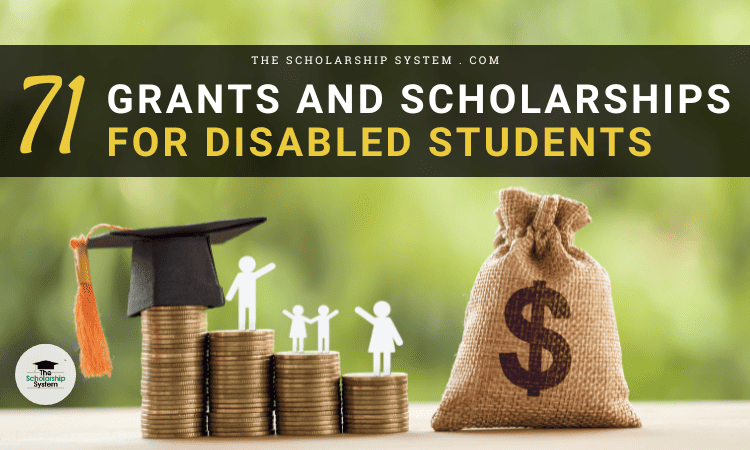
I remember the day Sarah, my neighbor’s daughter, came to me with tears welling in her eyes. She had just received an acceptance letter from her dream university, a fantastic place known for its innovative programs. But the joy was quickly overshadowed by a thick envelope detailing the tuition fees. Sarah, who has a mobility impairment, had always been incredibly determined. She navigated life with a spirit that often put mine to shame, but this financial hurdle felt different. It felt insurmountable. "It’s just too much, Auntie," she whispered, her voice cracking. "I don’t think I can go."
That moment stuck with me. It wasn’t just Sarah’s plight; it was a stark reminder of the unique challenges many students with disabilities face when pursuing higher education. Education is supposed to be a great equalizer, a ladder to a brighter future. Yet, for many, the rungs are missing, or the ladder itself is too expensive to climb. This isn’t just about tuition. It’s about accessible transportation, specialized equipment, personal care attendants, and the general cost of living that can be significantly higher for someone with a disability. It’s a reality that can make the dream of a college degree feel like an unreachable fantasy.
But here’s the thing I’ve learned over the years, watching countless determined young people like Sarah: there are bridges. There are helping hands. And one of the most powerful forms of support out there is the scholarship for disabled students. This isn’t just a handout; it’s an investment in potential, a recognition of talent, and a commitment to inclusivity. It’s a way to say, "Your disability doesn’t define your capability, and we believe in your future."
Let’s talk about some of the myths that often hold people back. I’ve heard them all. "I’m not smart enough." "There aren’t enough scholarships for people like me." "The application process is too complicated." Let me tell you, these are just whispers of doubt. The truth is, there are thousands of scholarships specifically designed to support students with various disabilities, and many of them don’t require you to be a straight-A student or a world-renowned scientist. What they often look for is grit, passion, community involvement, and a clear vision for how education will empower you.
So, where do you even begin this journey? It can feel like looking for a needle in a haystack, especially when you’re already juggling so much. My advice always starts with a few key places:
First, your university’s financial aid office. Don’t underestimate them. These folks are often treasure troves of information about institutional scholarships that aren’t advertised widely. They know the ins and outs of their own programs and can sometimes point you towards external opportunities they’ve come across. When Sarah finally gathered the courage to talk to her university’s financial aid advisor, she was surprised to learn about a specific scholarship fund for students demonstrating resilience in the face of adversity, something that spoke directly to her experience.
Second, online scholarship databases. Websites like Scholarship.com, Fastweb, and others have filters that allow you to search specifically for scholarships for students with disabilities. It takes time, yes, and some patience to sift through them, but it’s a powerful tool. Be prepared to create profiles and answer questions about your disability, academic history, and career goals.
Third, disability advocacy organizations. Groups dedicated to specific disabilities often have their own scholarship programs or can direct you to others. For example, organizations focused on visual impairments, hearing impairments, specific learning differences, or chronic health conditions frequently understand the unique financial burdens and strive to alleviate them. They are often your strongest allies.
Fourth, local community foundations and service clubs. Think Rotary, Lions Club, local women’s groups, or even regional disability services. These organizations often have a strong desire to support local talent and may offer smaller, but still incredibly helpful, scholarships. These can sometimes be easier to get because the applicant pool is smaller and more localized.
Finally, don’t forget companies and private foundations. Many corporations have philanthropic arms that offer scholarships as part of their commitment to diversity and inclusion. A simple Google search for "company scholarships for disabled students" can yield surprising results.
Once you start finding potential scholarships, the next step is understanding the eligibility criteria. This is crucial. Don’t waste your time applying for something you clearly don’t qualify for. Here’s what they typically look for:
Ah, the personal statement. This is where you truly shine. When I was helping Sarah, we spent weeks on her essay. It wasn’t about recounting her medical history; it was about her journey, her aspirations, and how her experiences had shaped her perspective. This is your opportunity to connect with the scholarship committee on a human level.
Think of your essay as a conversation. What do you want them to know about you? How has your disability impacted your educational journey, not just as a challenge, but perhaps as a source of strength, resilience, or a unique perspective? Don’t shy away from your truth, but also don’t let it be a sob story. Focus on your growth, your determination, and your goals.
Beyond the essay, there are other components of a strong application. Letters of recommendation are crucial. Choose people who know you well and can speak to your character, academic abilities, and perseverance. A teacher who has seen you excel despite challenges, a mentor who has guided you, or an employer who can attest to your work ethic are excellent choices. Give them plenty of time and provide them with information about the scholarship and your goals, so they can tailor their letter effectively.
Your transcripts and test scores will speak for themselves, but ensure they are submitted correctly and on time. If there are any unusual circumstances reflected in your academic record, consider briefly addressing them in your essay or an addendum, if permitted.
Regarding medical documentation, follow the instructions carefully. Some scholarships may require proof of your disability, but they will specify what kind of documentation they need. Provide only what is asked for, and ensure it is handled confidentially and sensitively. You might need to work with your doctor or a disability services office to get the appropriate paperwork.
The application process can be lengthy and, at times, discouraging. I remember Sarah hitting a wall after a few rejections. It’s easy to feel defeated. But persistence is key. Think of it as a numbers game. The more scholarships you apply for, the higher your chances of success. Don’t let one "no" stop you from seeking the next "yes." Each application is a learning experience, an opportunity to refine your story and improve your approach.
And remember, a scholarship isn’t just about the money, though that’s certainly a huge part of it. It’s about validation. It’s about joining a community of like-minded individuals and benefactors who believe in the power of education for all. Many scholarship programs offer networking opportunities, mentorship, and a support system that extends far beyond the financial award. These connections can be invaluable as you navigate your academic career and beyond. They can open doors to internships, career opportunities, and lifelong friendships.
When Sarah finally received the email confirming her scholarship award, I saw a light in her eyes that hadn’t been there for months. It wasn’t just relief; it was pure joy, mixed with a renewed sense of purpose. That scholarship wasn’t just paying for her tuition; it was fueling her dreams. It allowed her to focus on her studies, to engage in campus life, and to pursue her passion without the crushing weight of financial anxiety. She went on to thrive, not just academically, but as a leader and an advocate for accessibility on campus.
Her story is just one of many. Every year, thousands of students with disabilities overcome significant barriers to pursue their education, and scholarships play a pivotal role in making that possible. They empower individuals to reach their full potential, contribute their unique talents to society, and become role models for others.
So, if you’re a disabled student dreaming of college, or if you know someone who is, please don’t let financial concerns extinguish that flame. The resources are out there. The support systems are waiting. It takes courage, persistence, and a willingness to share your story, but the rewards are immeasurable. Take that first step. Start your search. Craft your story. Apply with conviction. Your education, your voice, and your future are worth every bit of effort. The world needs your unique perspective, and a scholarship can be the key that unlocks your path to sharing it.